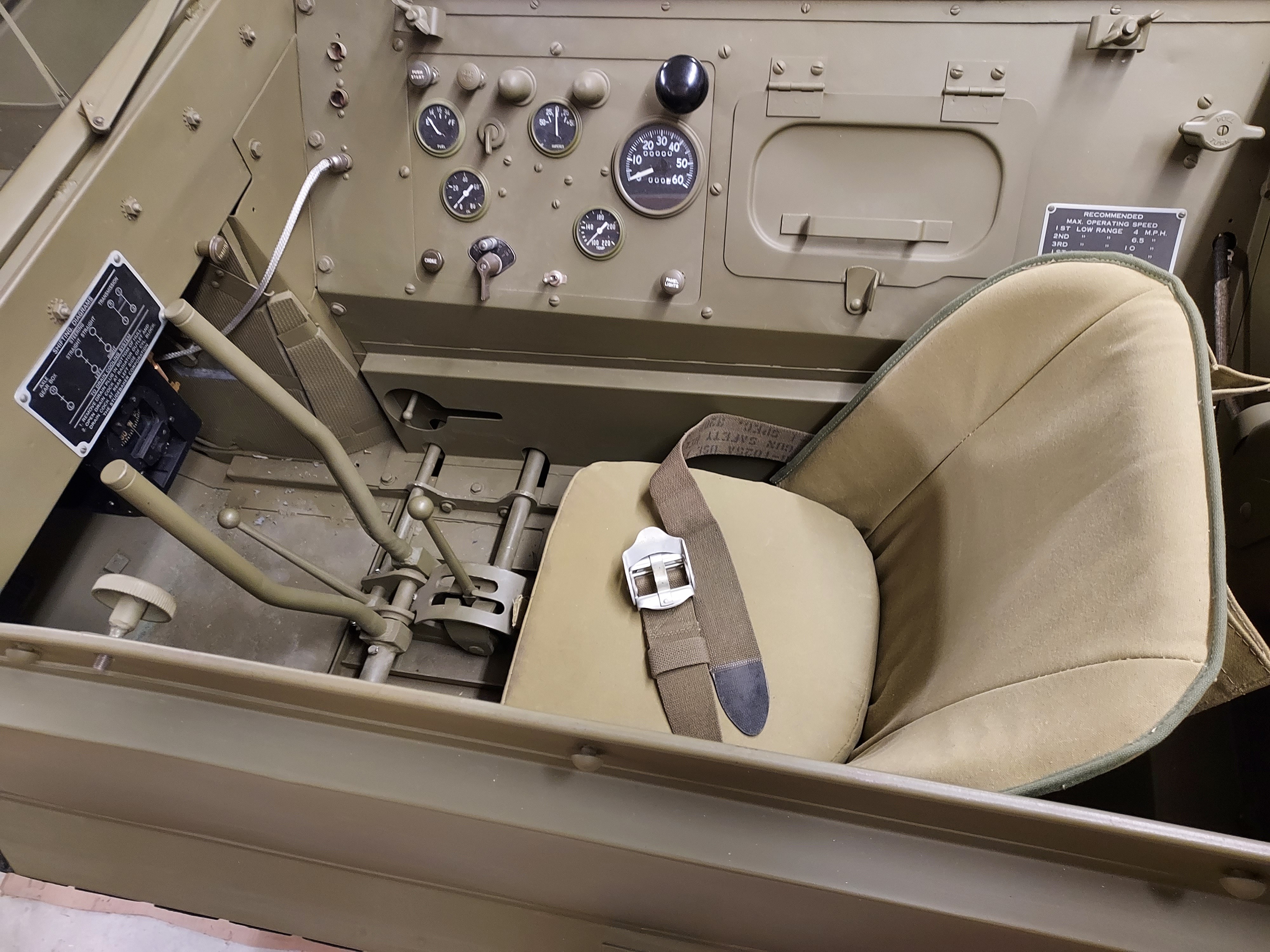
When it became obvious that the United States was eventually going to become involved in the war raging in Europe, the U.S. Army contacted 135 companies asking for working prototypes of a four-wheel-drive reconnaissance car. Only two companies responded: American Bantam Car Company and Willys-Overland. The Army felt that Bantam was too small to supply the numbers needed — and so supplied the Bantam design to both Willys and Ford for mass production.
General George C. Marshall called the Jeep "America's greatest contribution to modern warfare." Ernie Pyle credited the go-anywhere Jeep with helping win the war. An average of 145 Jeeps were supplied to every Army infantry regiment.
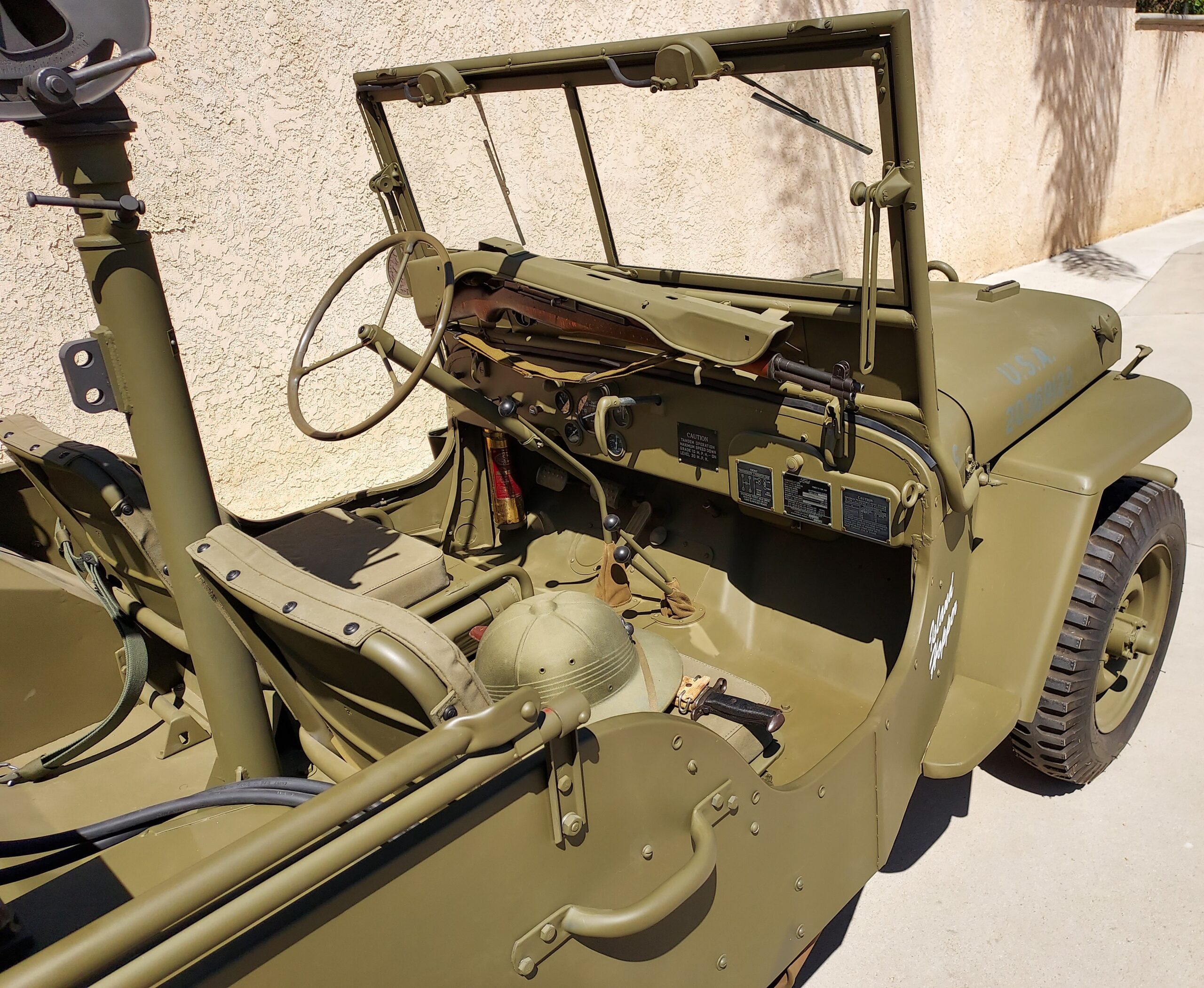
The Jeep proved remarkably adaptable beyond its reconnaissance role — pressed into service as pumpers, field ambulances, and tractors, and even used for firefighting. Fitted with suitable wheels, they could run on railway tracks.
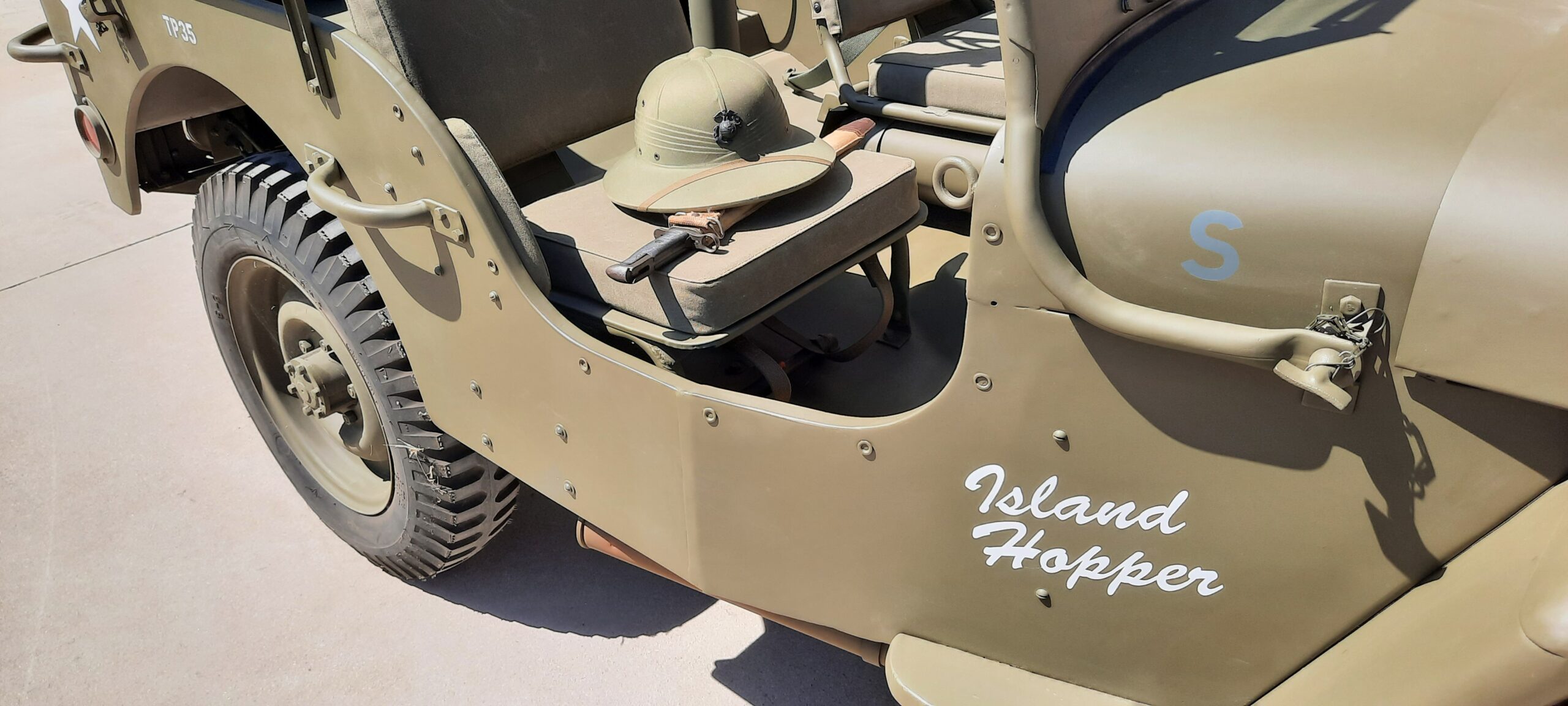
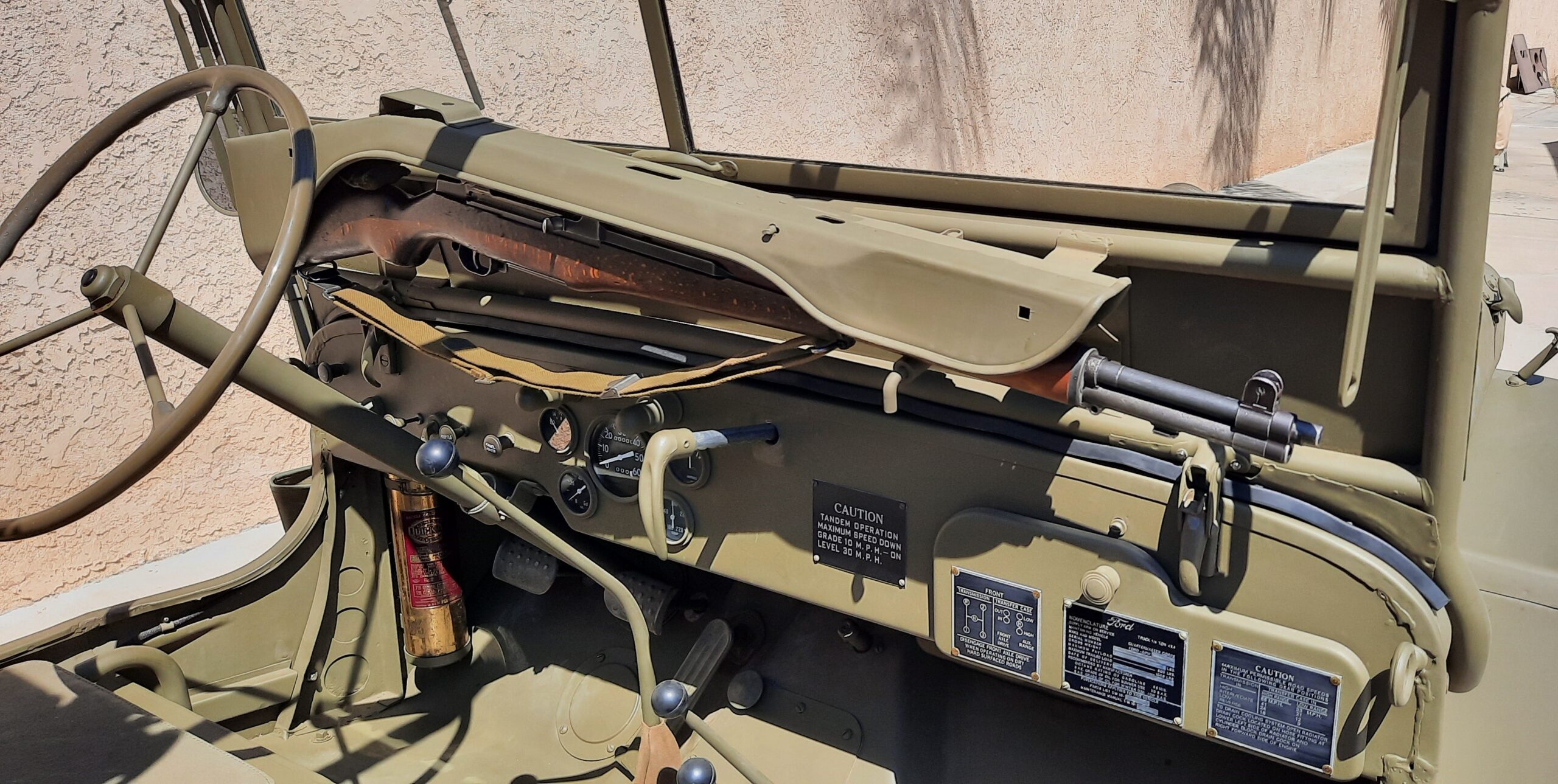
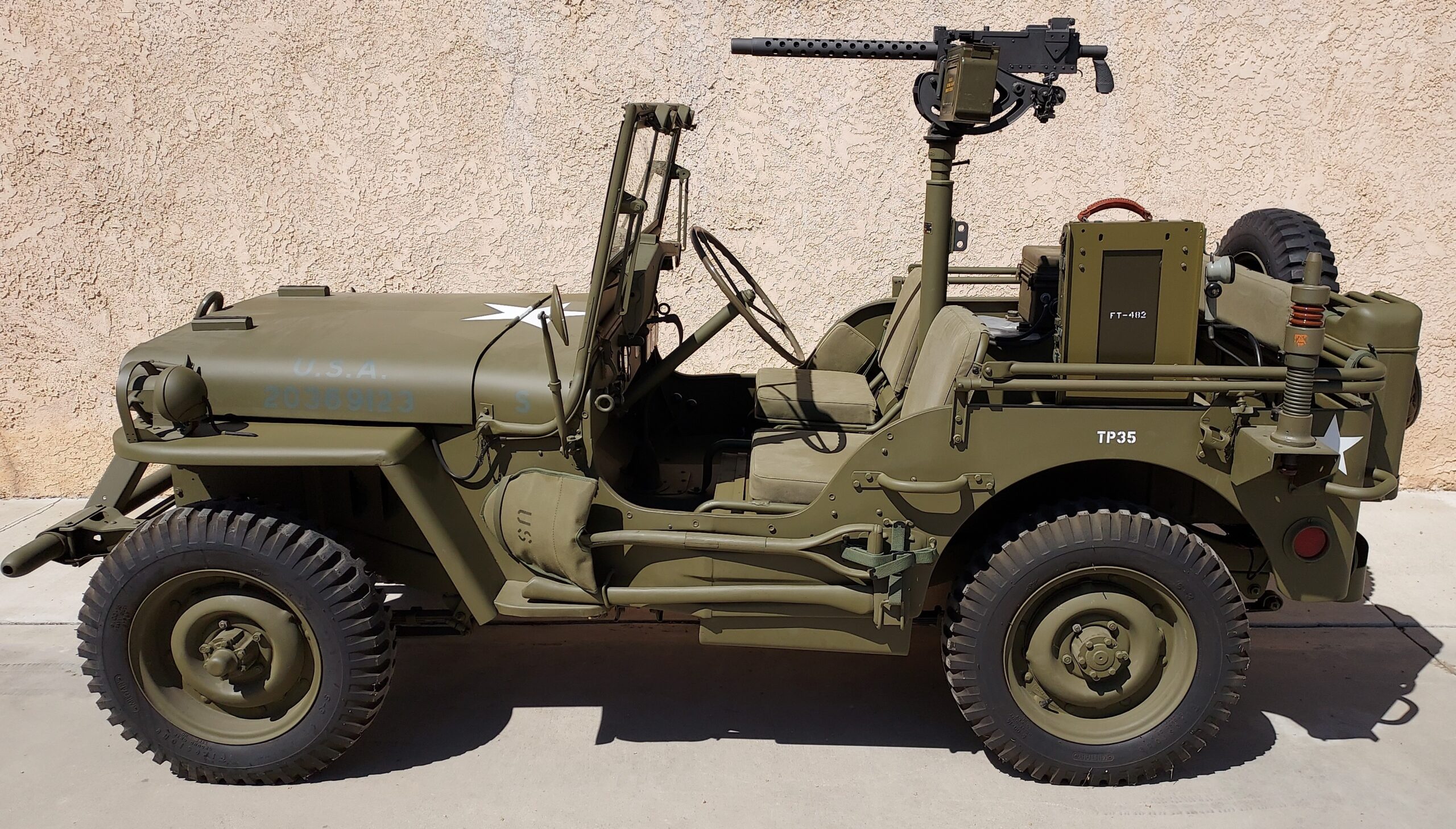
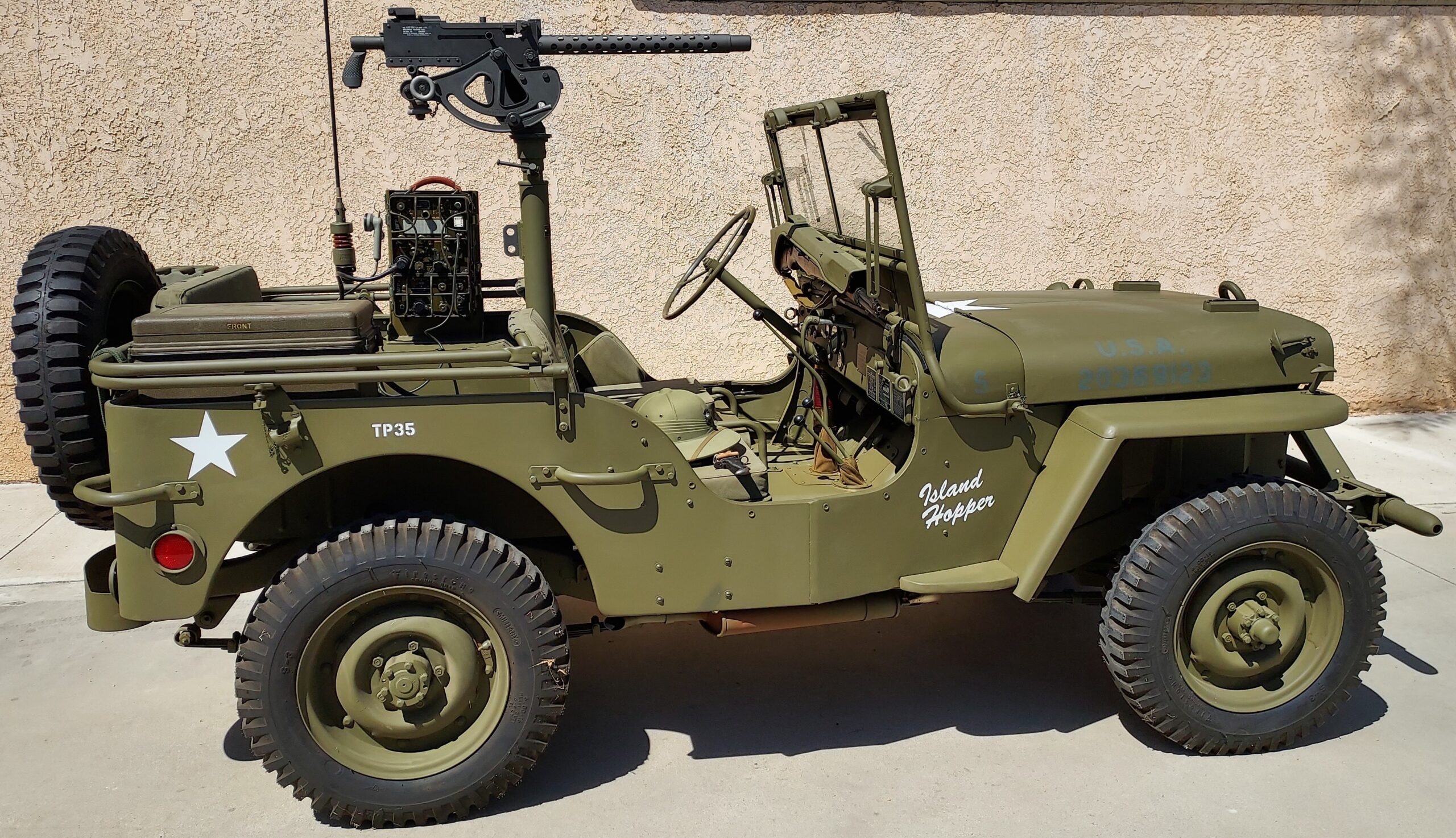
Willys MB & Ford GPW Jeeps
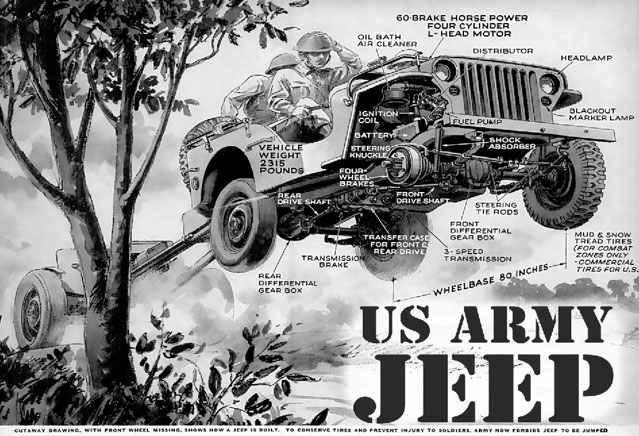
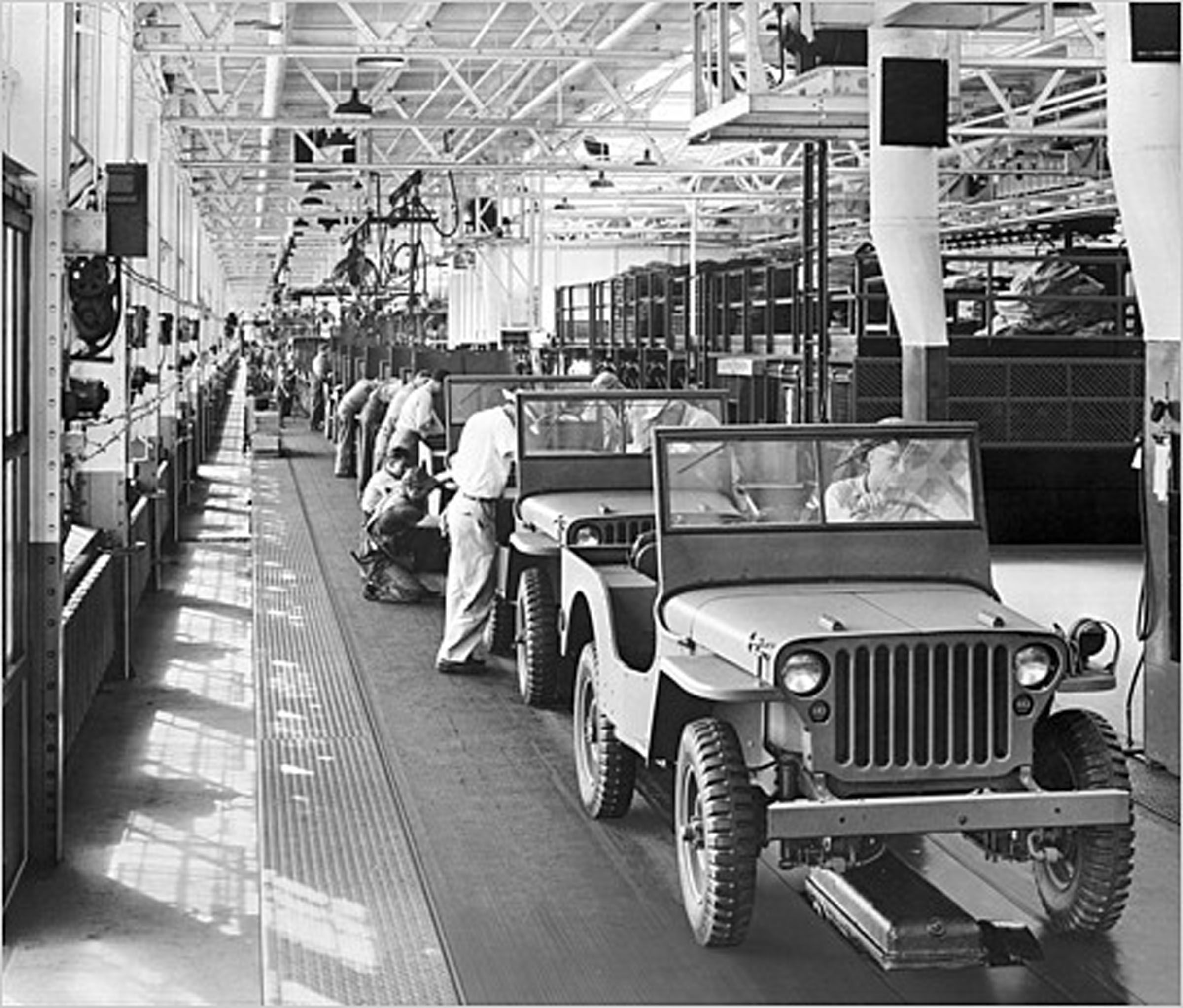
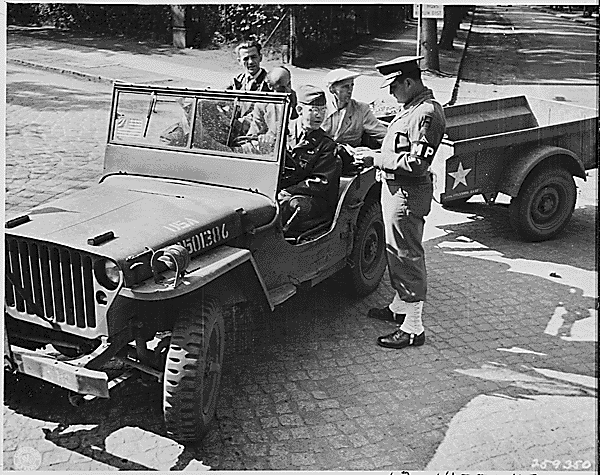
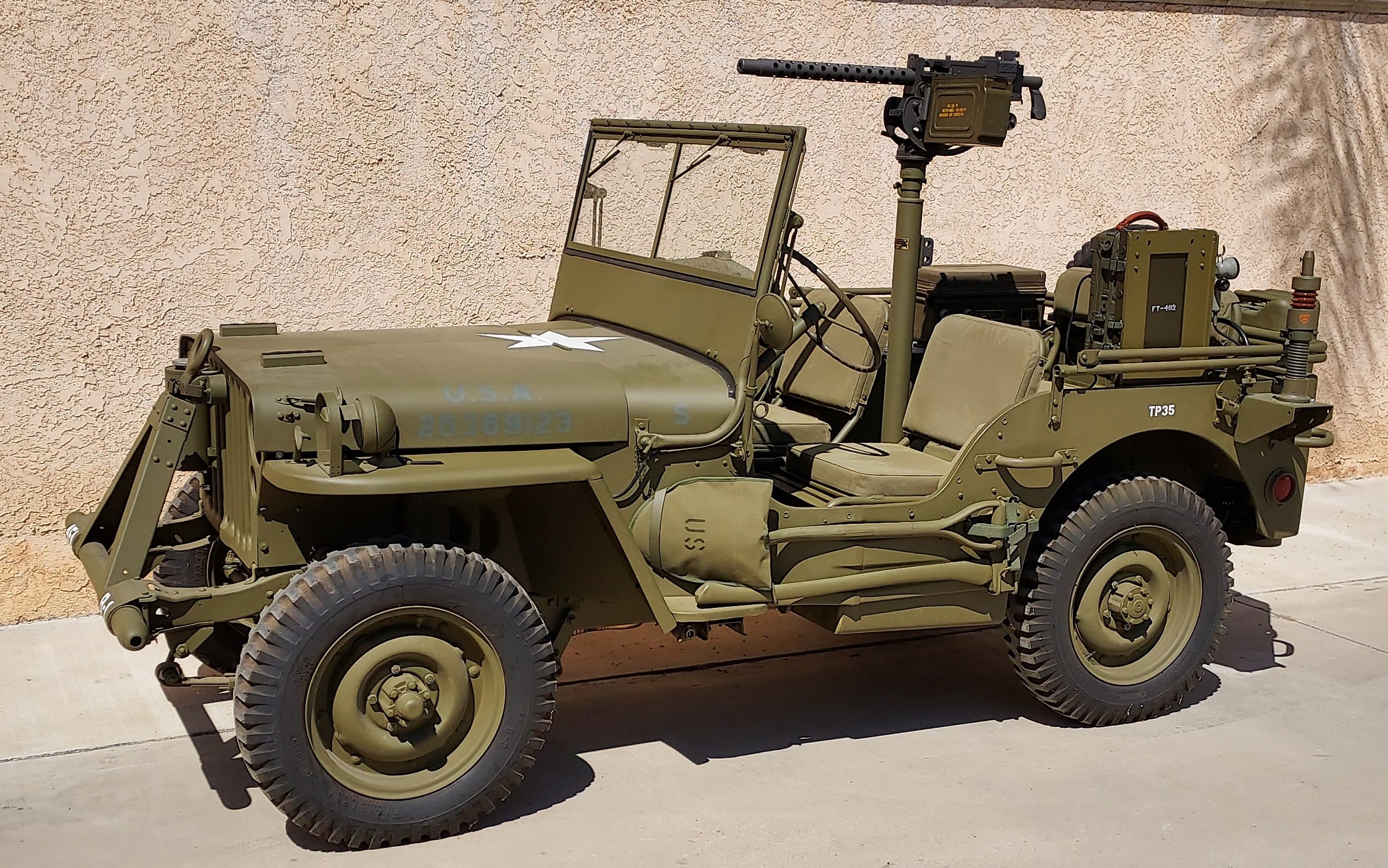
Final production version Jeeps built by Willys-Overland were the (G=government vehicle, P = the 80″ wheelbase, and W = Willys engine design, using their designation, Willys MB. While those built by Ford used Willy’s engine design and the designation, Ford GPW.
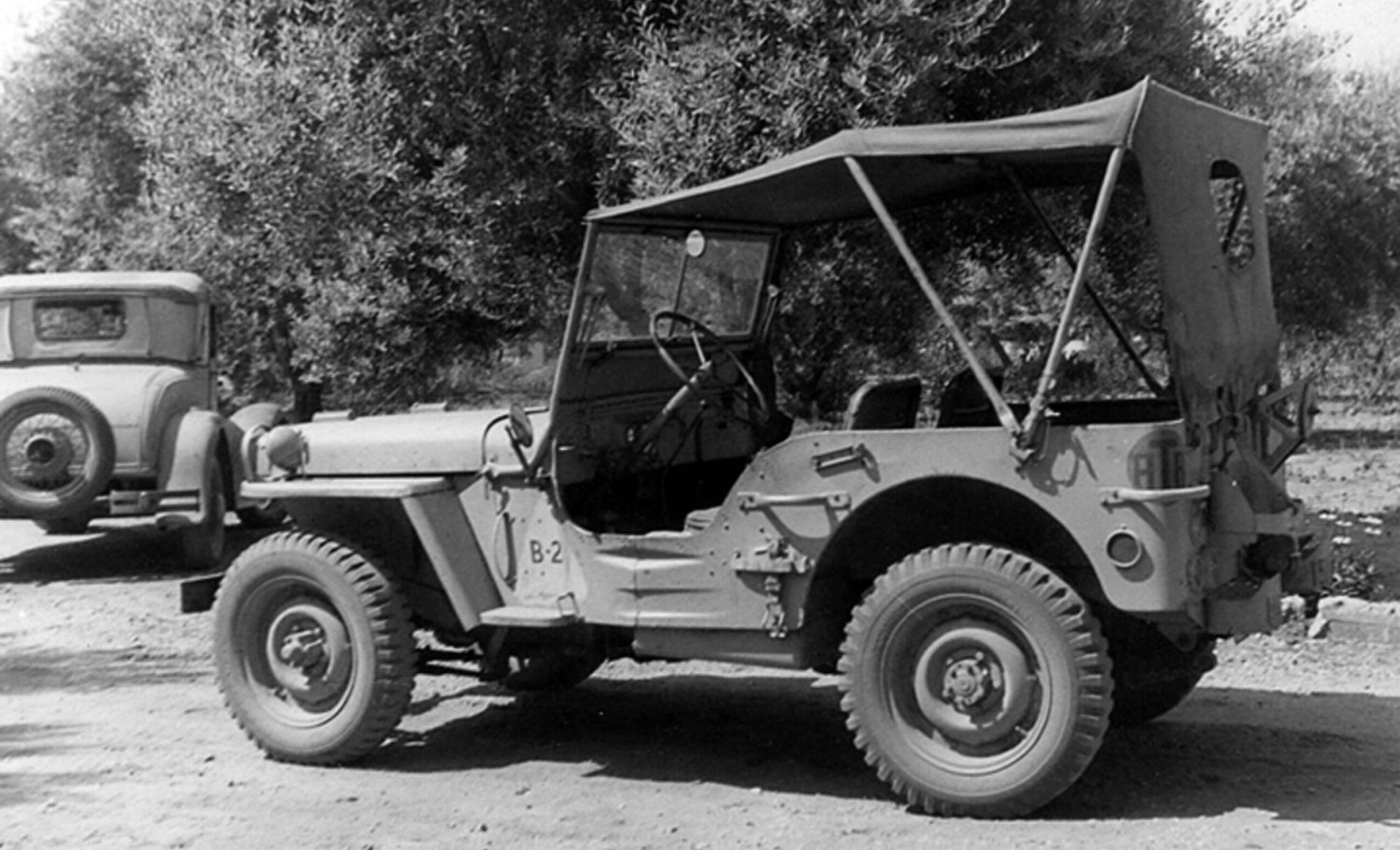
Willys and Ford
Jeeps were used by every service of the U.S. military. An average of 145 were supplied to every Army infantry regiment. Jeeps were used for many purposes, including cable laying, saw milling, when military leaders and dignitaries toured military staging areas or were transported to the front lines, it was often in the back of a Jeep.
Museum Examples
WWII Trailers
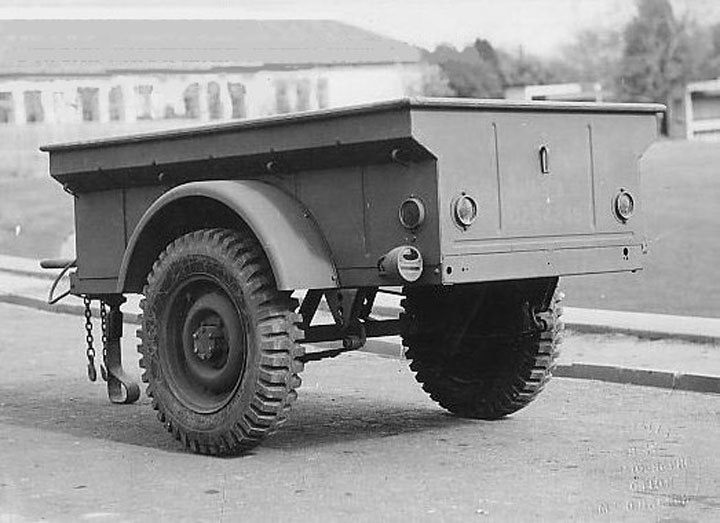
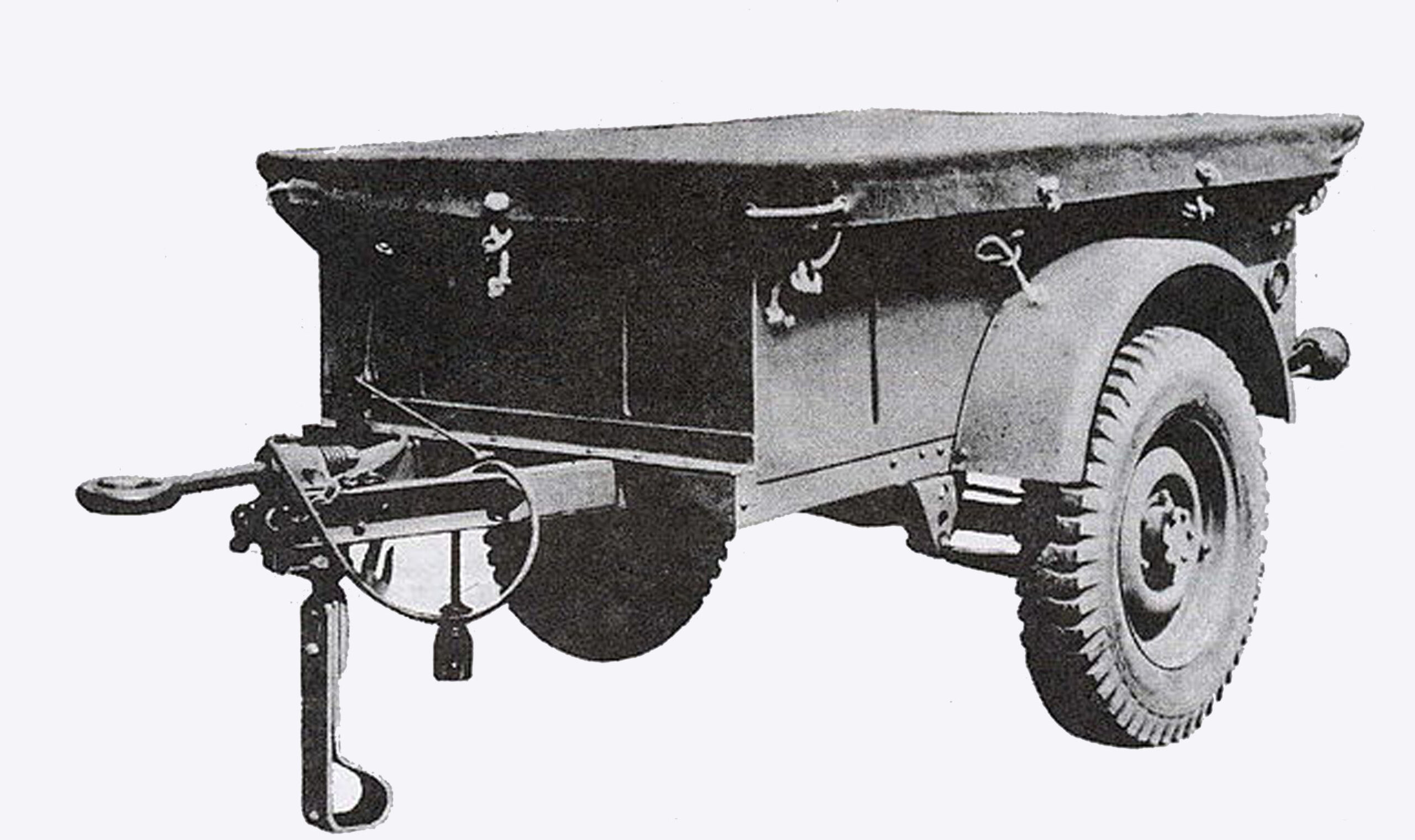
Trailers were used extensively in different capacities throughout WWII — hauling equipment, artillery, water, vehicles, bombs and general cargo. The most common were the Jeep trailer and the Ben Hur trailer. The Ben Hur was a 1-ton U.S. Army cargo trailer, nicknamed after its major manufacturer, the Ben Hur Mfg. Co., though many other companies produced it between 1941 and 1945. Its primary purpose was general cargo; the Signal Corps modified it to carry several different generators. Specialized variants including a water carrier were also manufactured.
Museum Examples
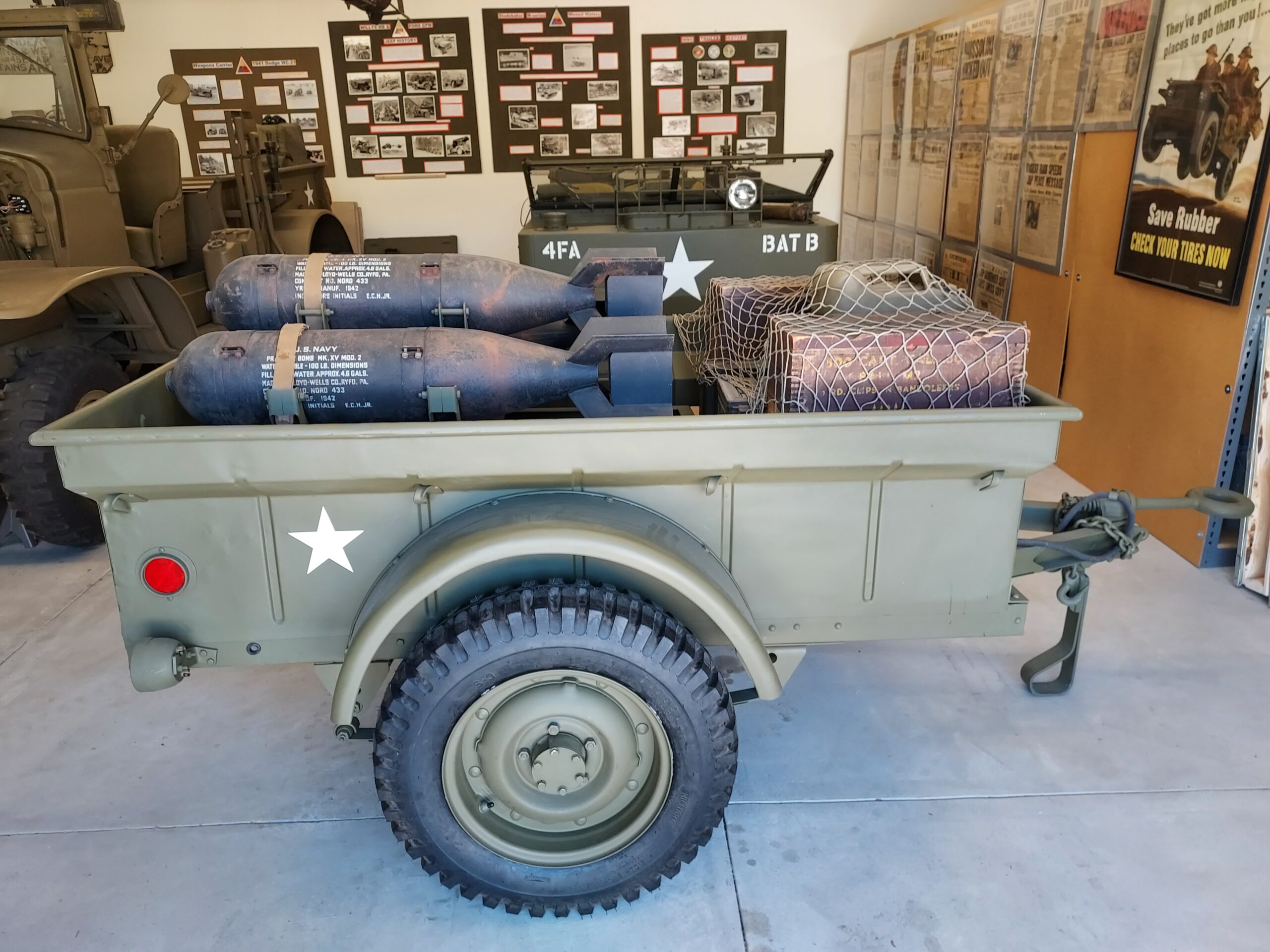
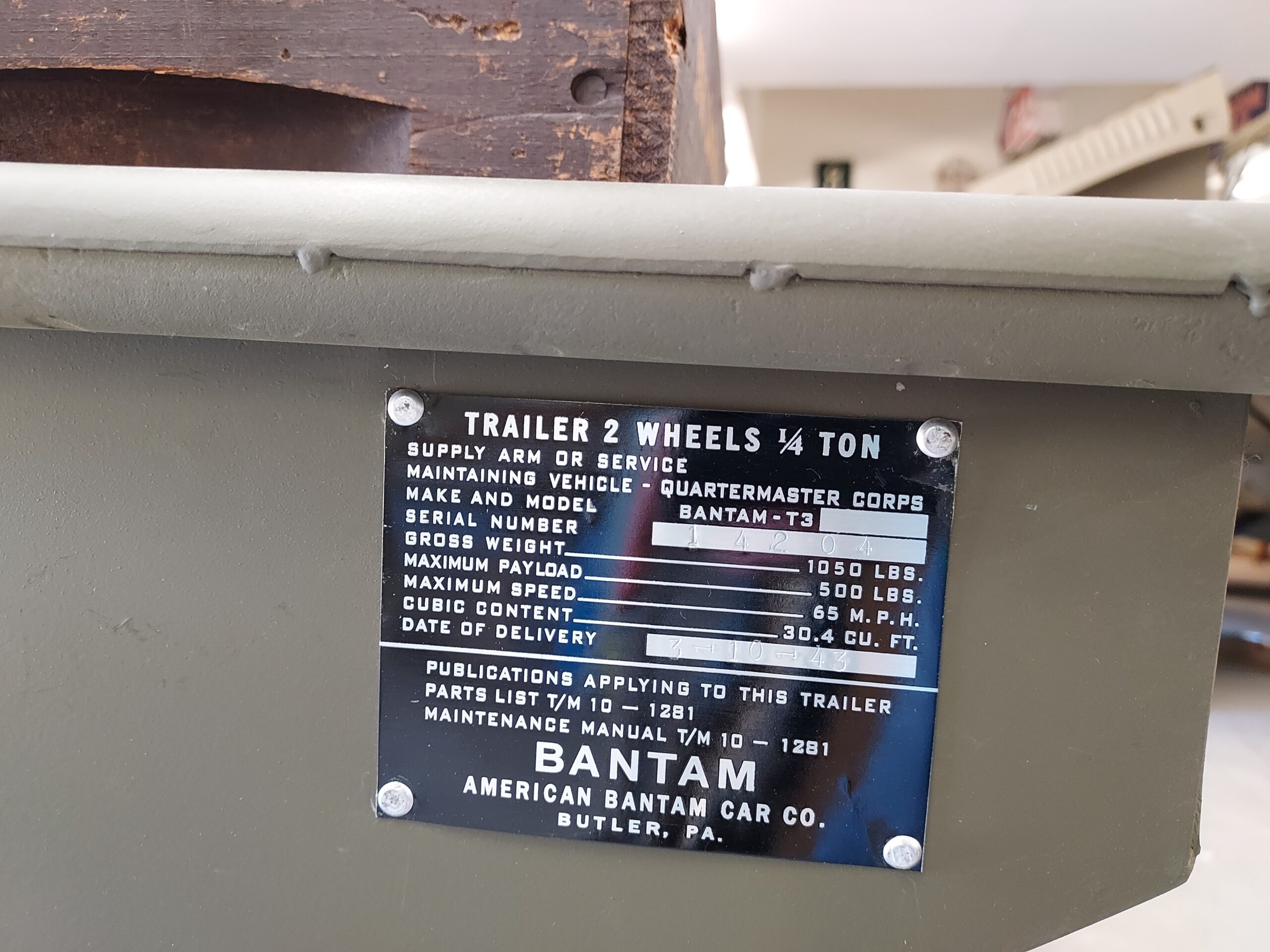
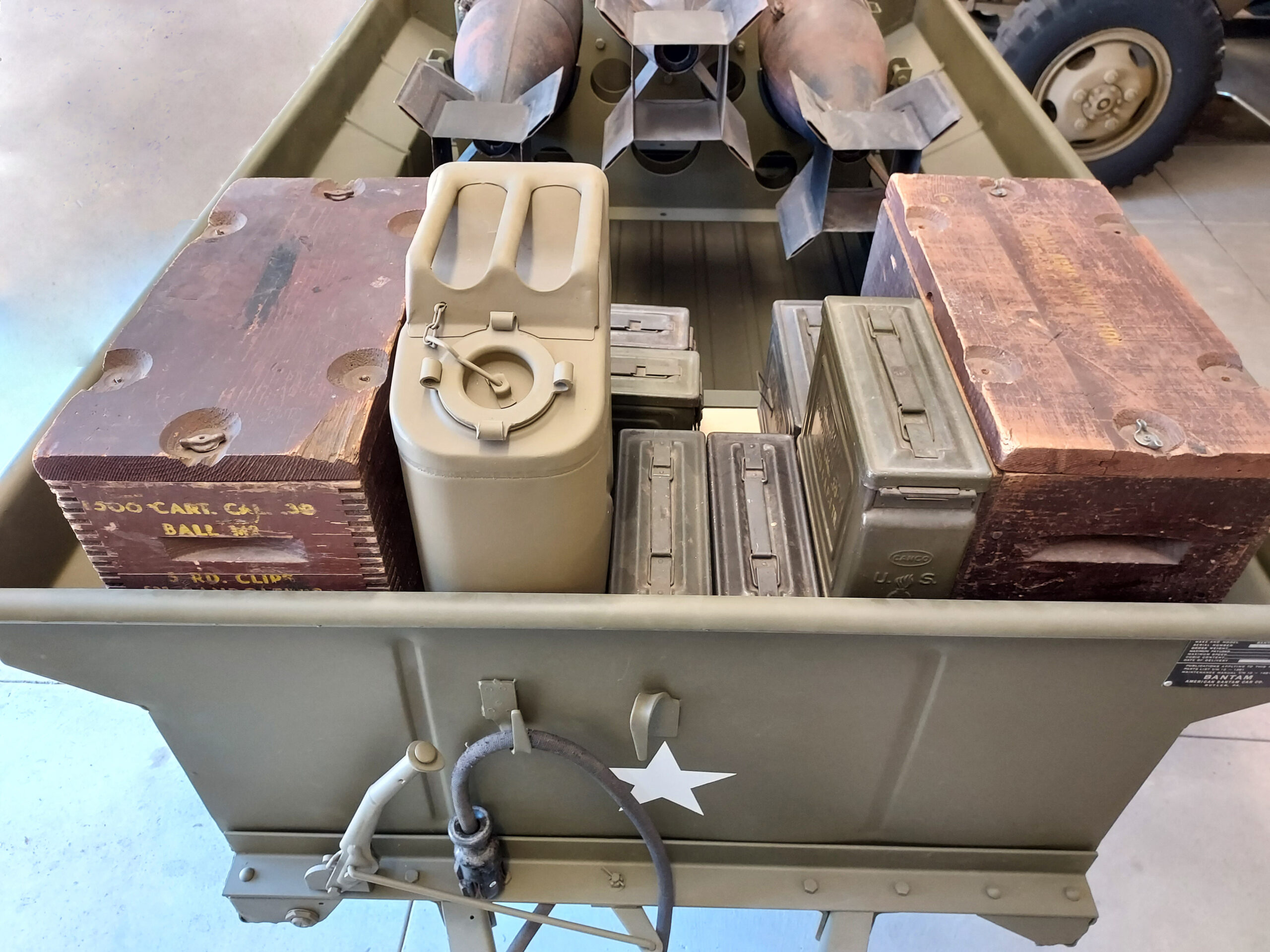
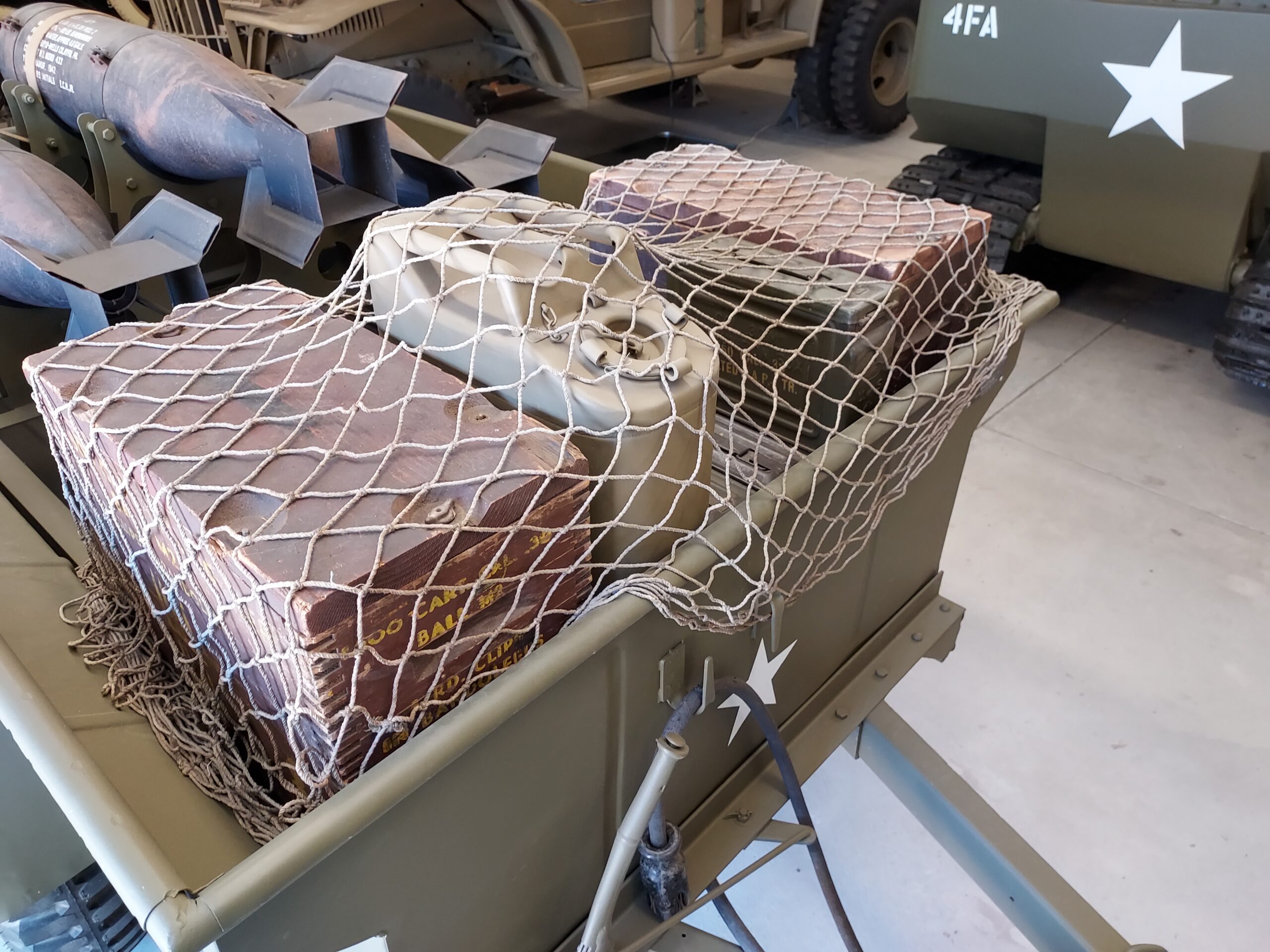
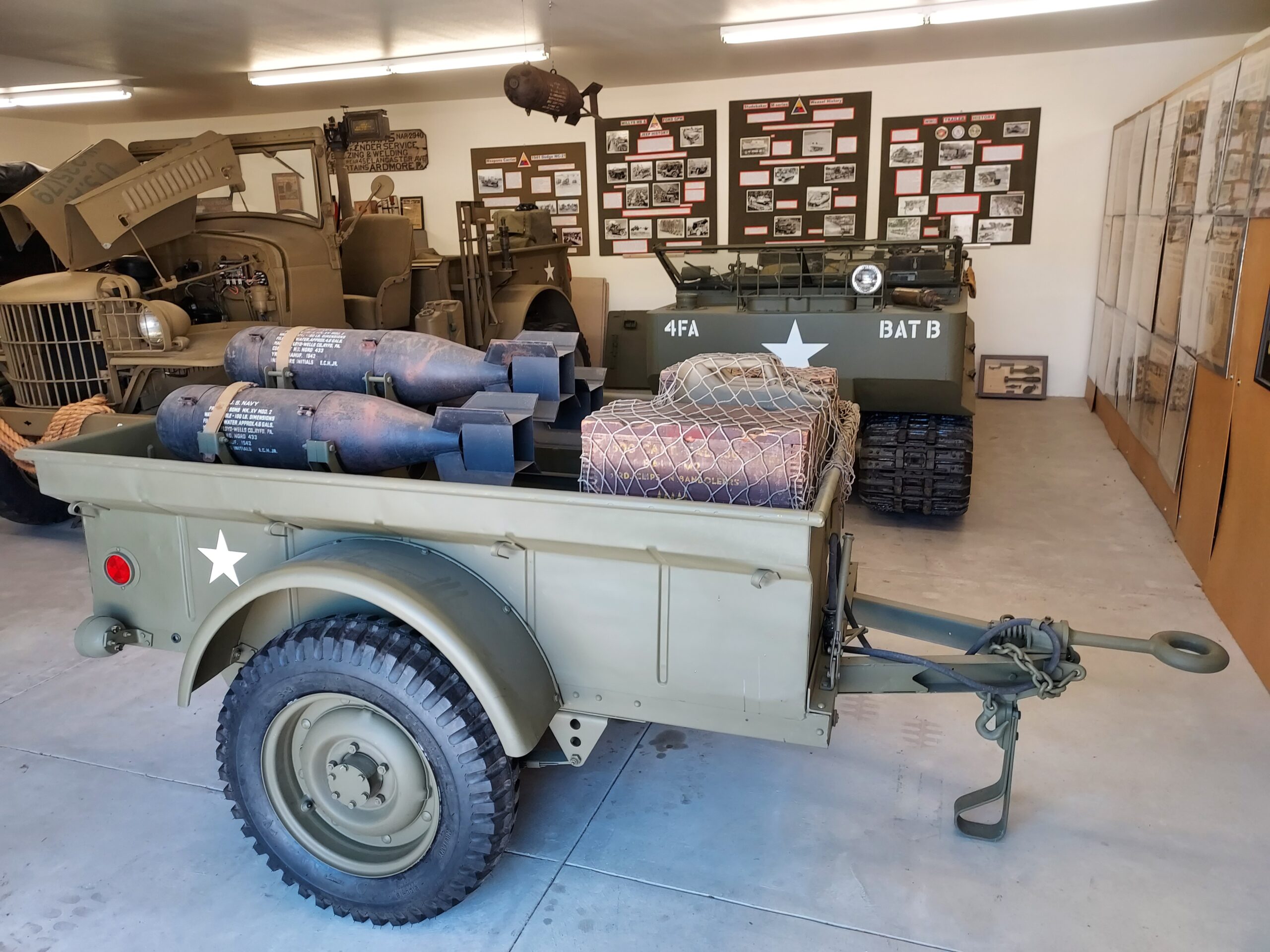
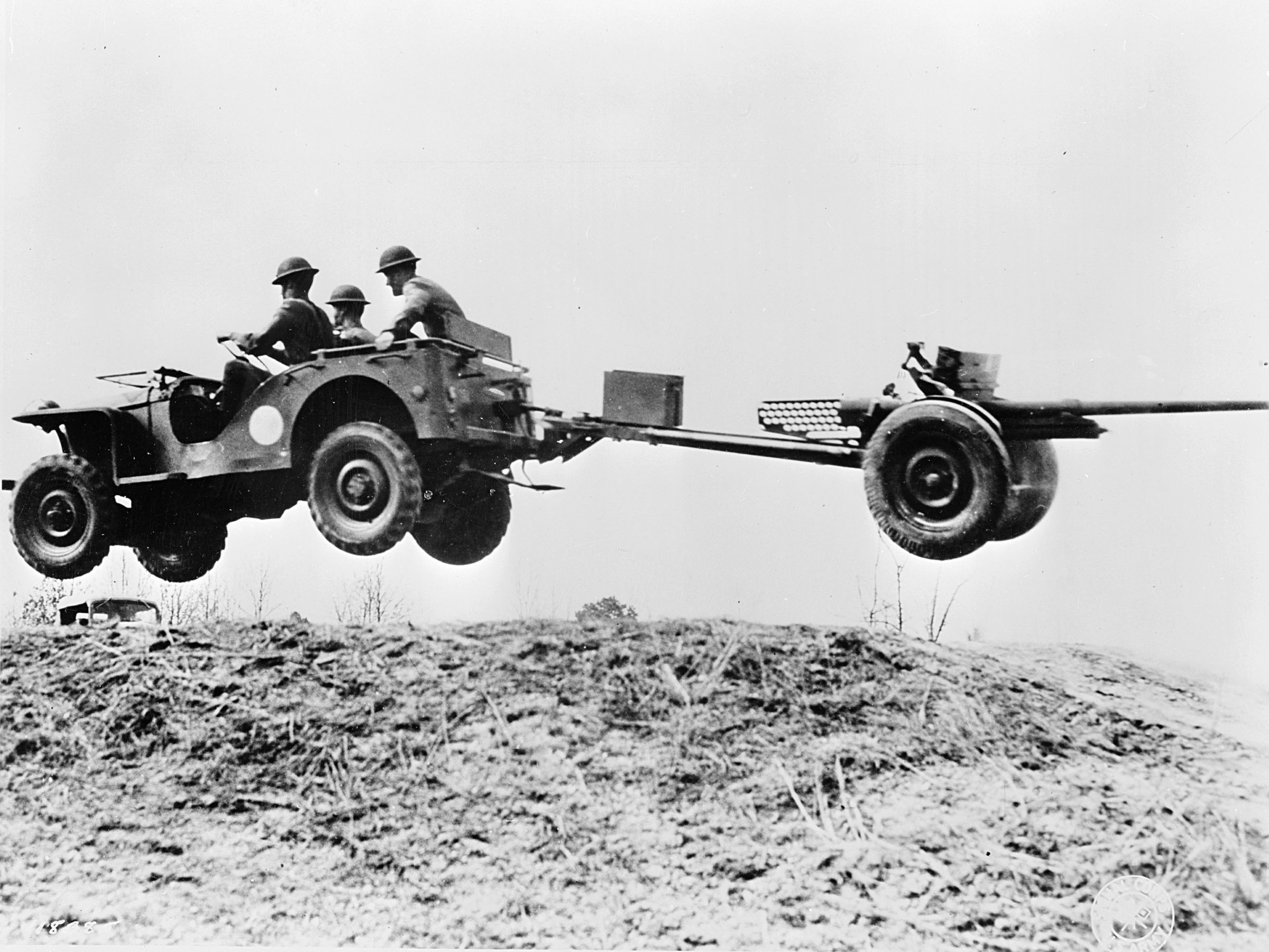
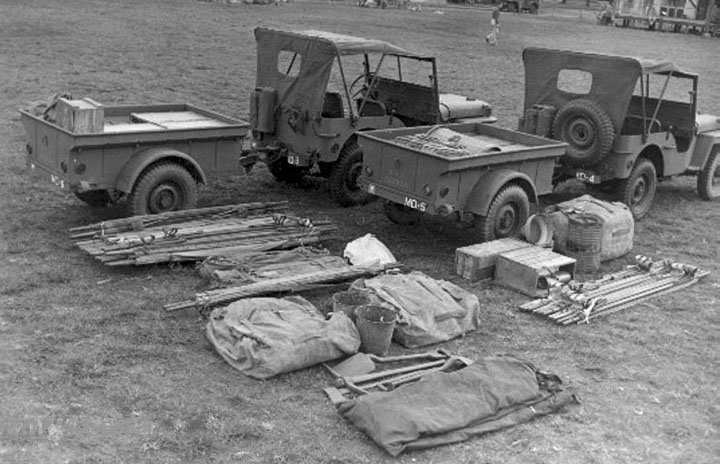
When the Army ordered the Willys MB and Ford GPW it needed a cargo trailer to track behind the vehicle. The first was called the “Trailer, ¼-ton, 2W, Cargo, Amphibian” (MBT). Wheels and tires were shared between jeep and trailer, giving crews the ability to recover from a flat tire or damaged wheel in the field.
Willys-Overland produced nearly 60,000 of their Model MBT trailers. American Bantam produced 73,569 of their version — the Bantam T-3. These jeep trailers hauled food, ammunition, fuel, medical supplies, clothing, and all manner of equipment. It was common to see them overflowing in the field.
1941 Dodge WC-21 Weapons Carrier
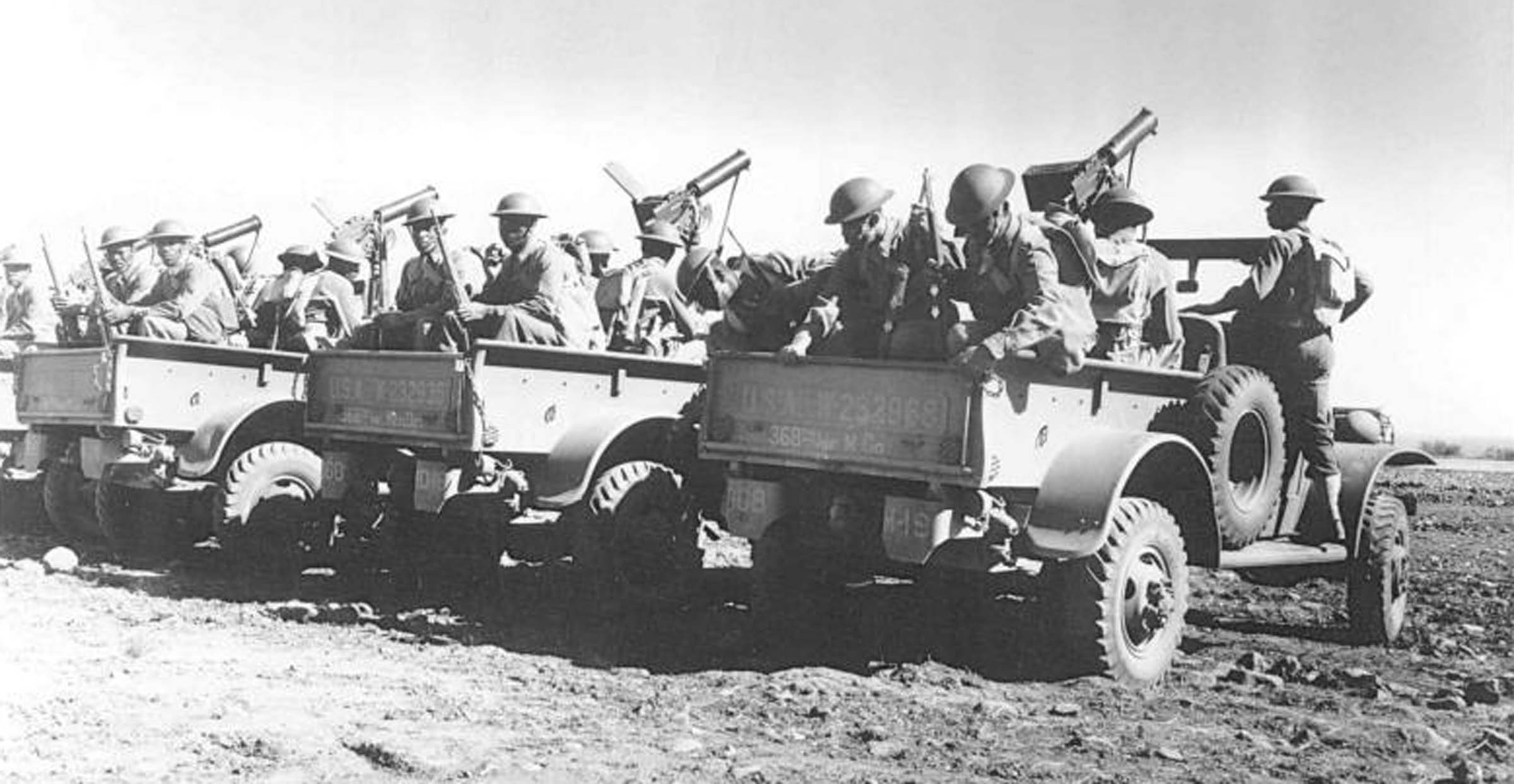
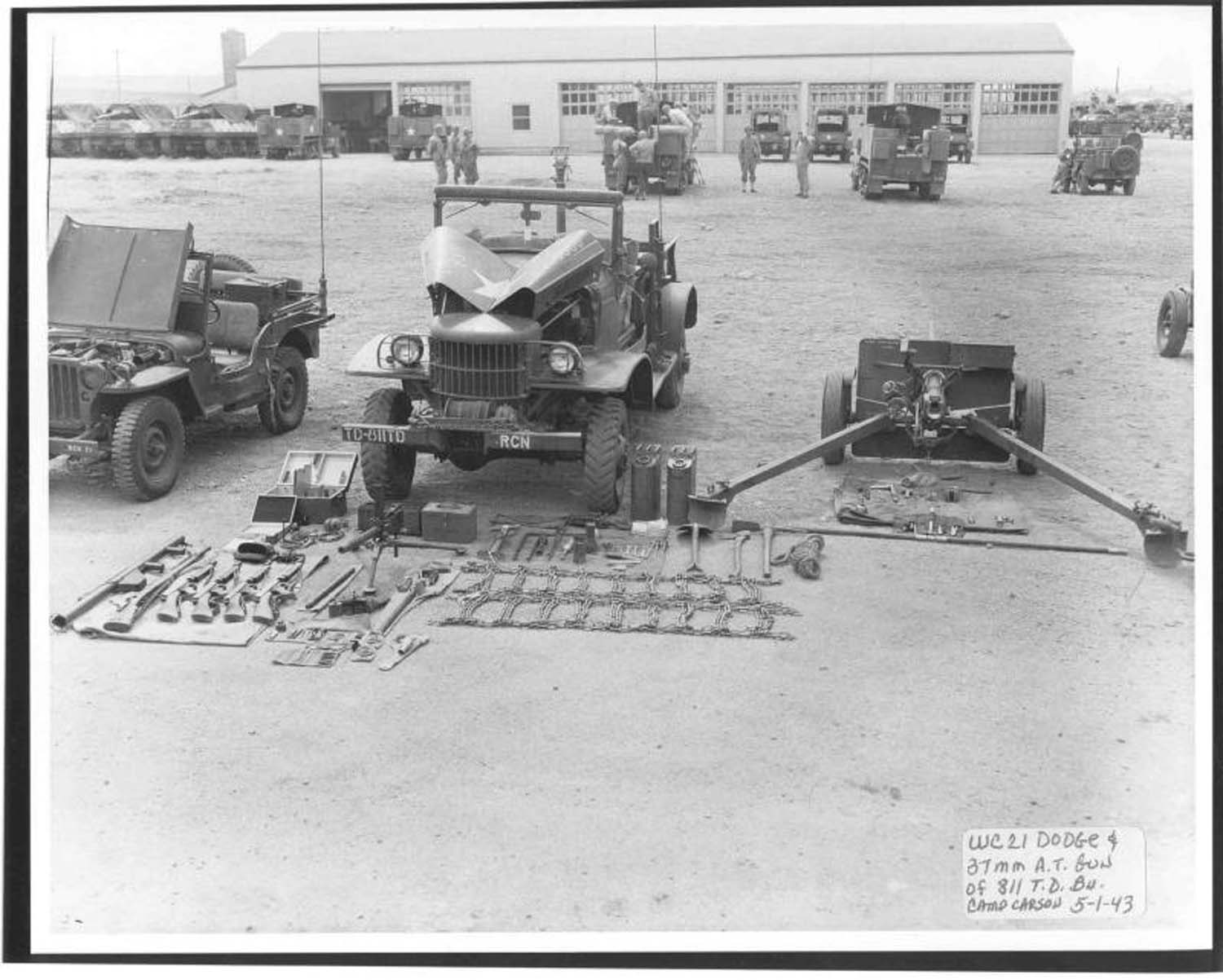
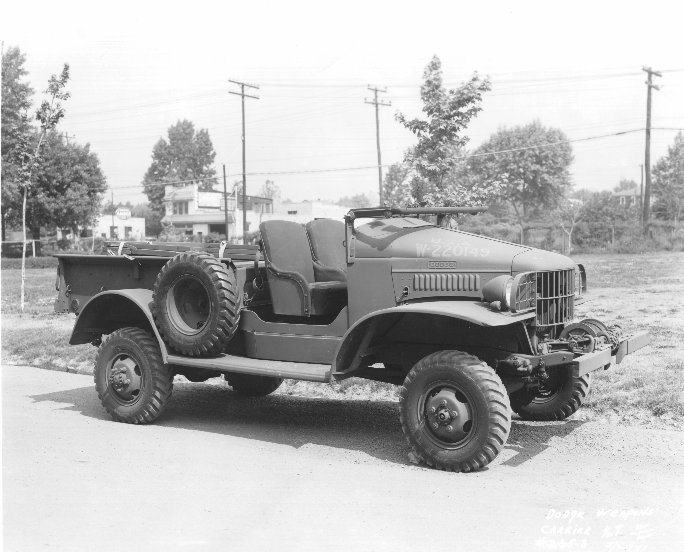
The Dodge WC-21 was a ½-ton 4×4 weapons carrier used extensively throughout WWII. The museum’s example has been fully restored and was exhibited in the Salute to Veterans Parade and Flabob Air Field Veterans Show in Riverside, CA.
At the outset of WWII, Dodge produced the G-505 WC ½-ton series of military light trucks in 38 individual models. The lightweight and versatile G505 WC series were built during 1941 and 1942 — the first Dodge all-military design developed in the build-up to full mobilization. The various G505 models (Pickup/Weapons Carrier, Panel, Command and Reconnaissance, Ambulance) were carried over to the ¾-ton G502 WC trucks that superseded the half-ton line in 1942.
Museum Examples
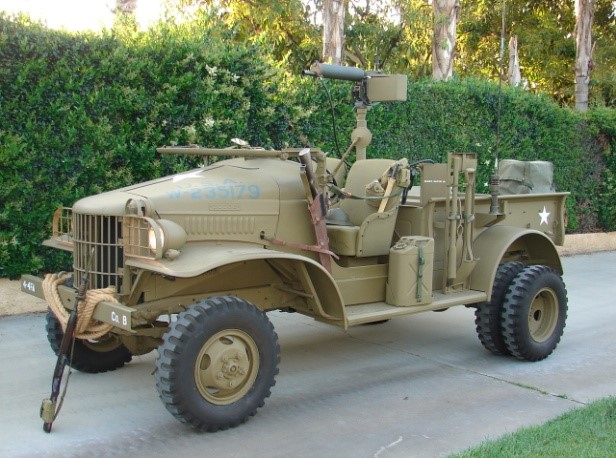
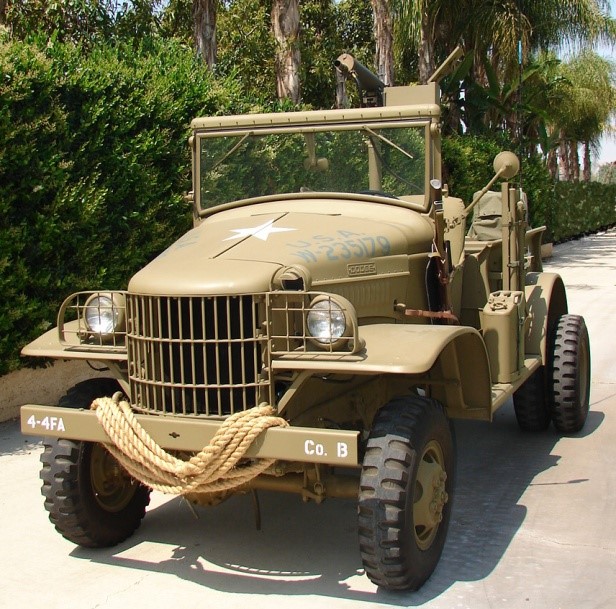
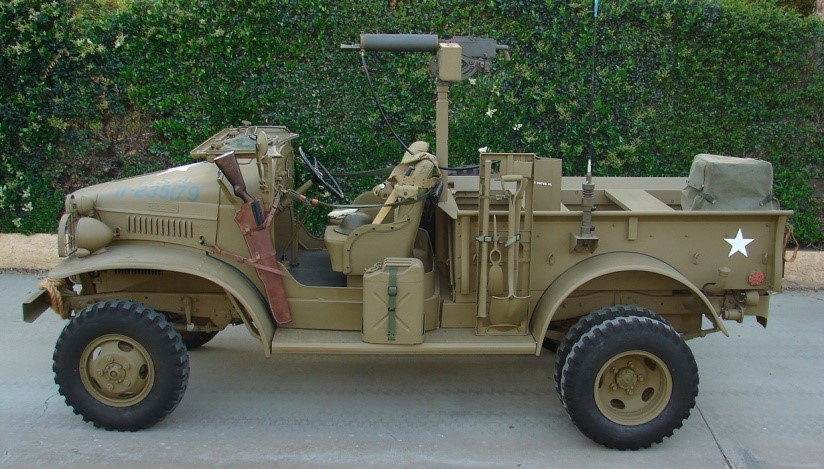
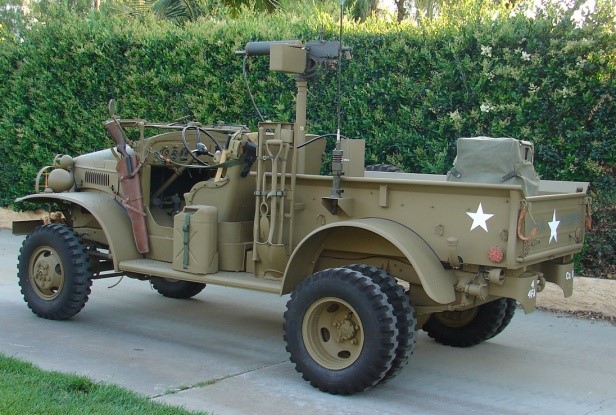
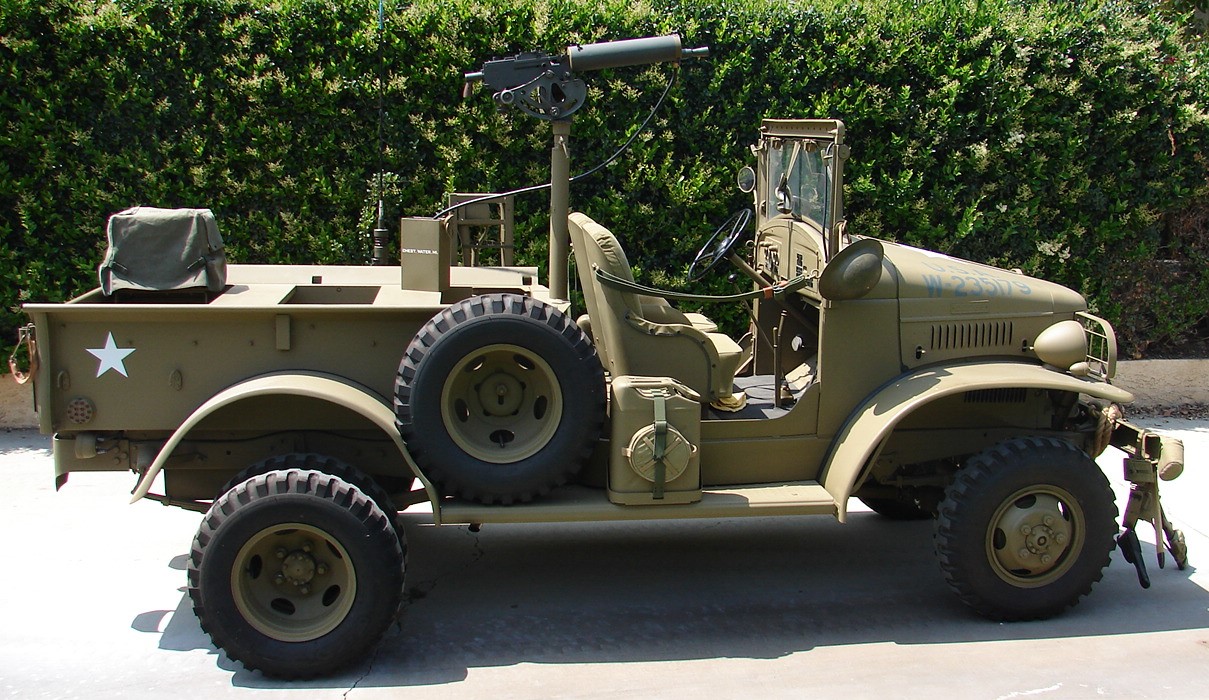
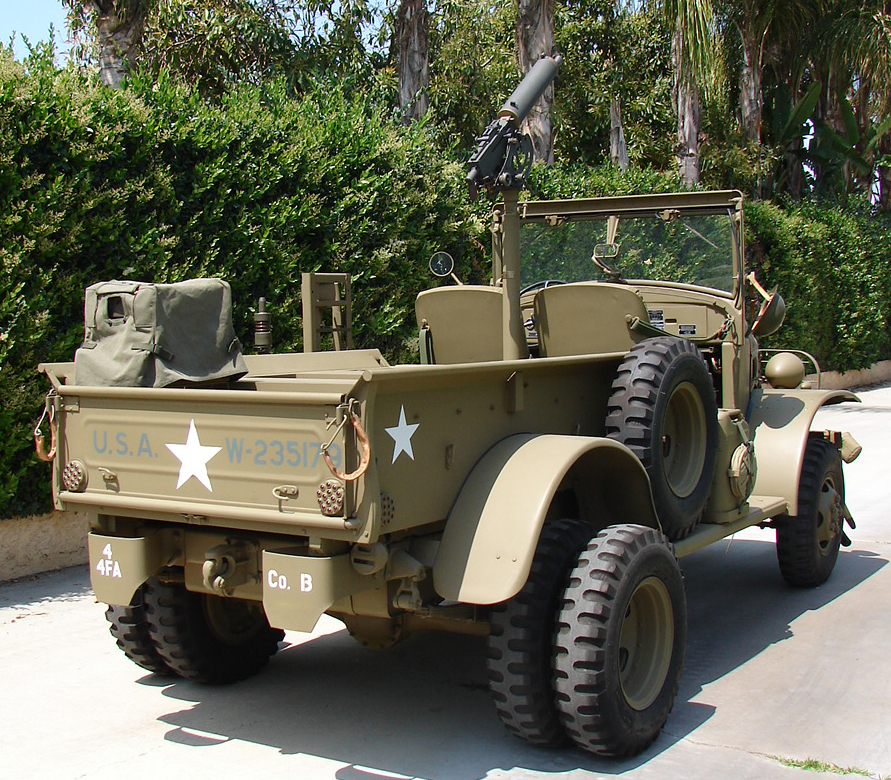
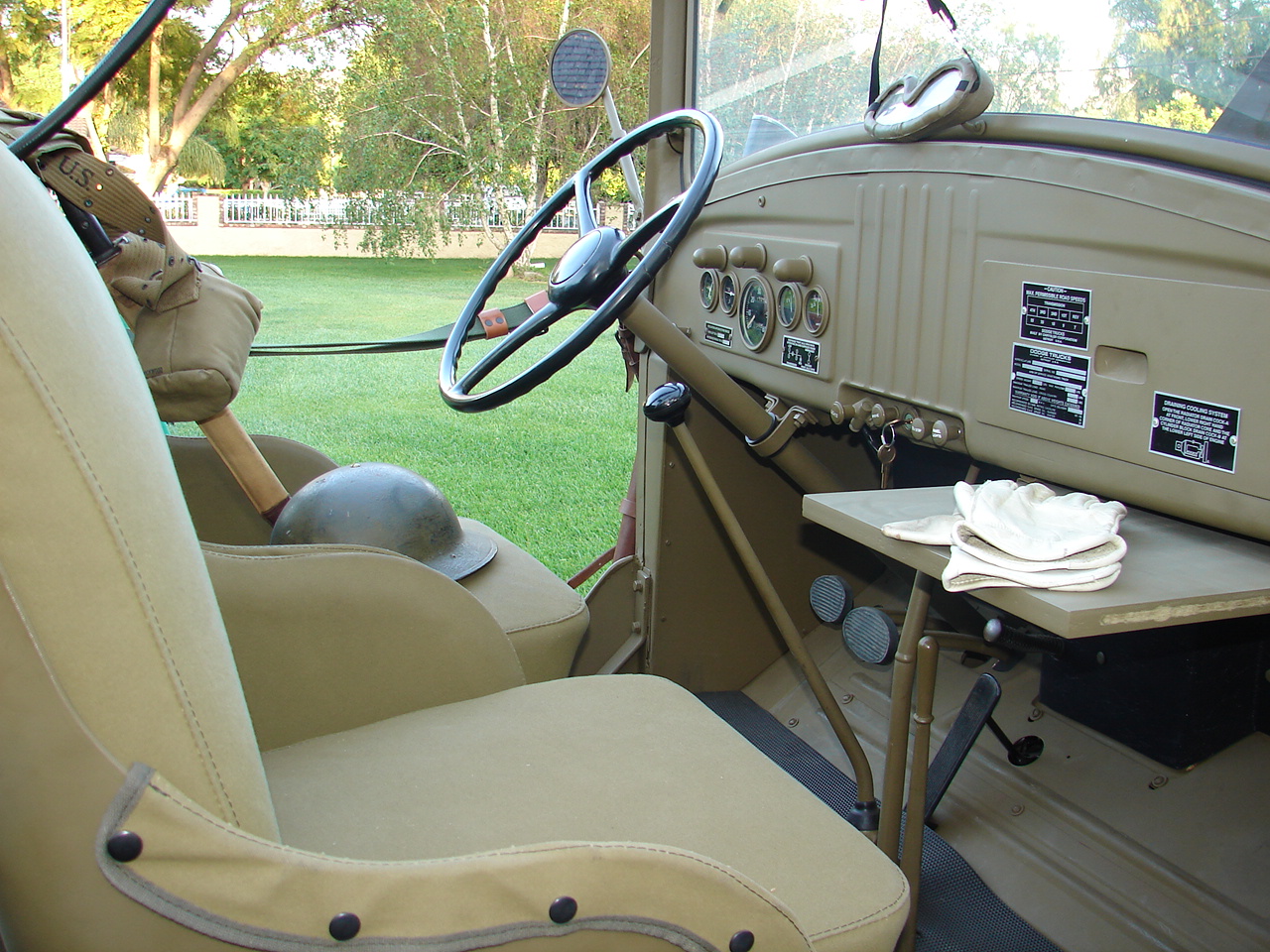
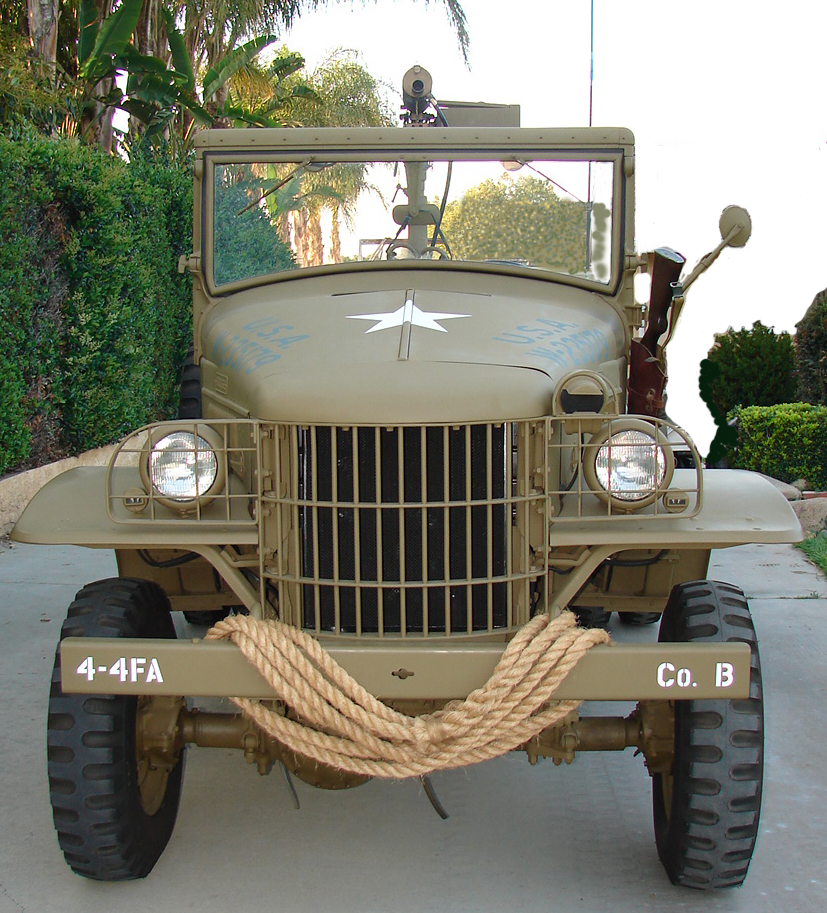
“WC” was a Dodge model code: W for 1941 (or later) plus C for half-ton rating — it does not stand for “weapons carrier.” WC models 1 to 50 were part of the ½-ton range and were 80% interchangeable in service parts with the later ¾-ton models. Common features: Drive 4×4 · Wheelbase 116 in · Track 59.375 in · Tires 7.50×16 · Brakes hydraulic · Engine 6-cylinder inline L-head · Transmission 4-forward/1-reverse manual · Transfer case single speed.
Most Dodge ½-ton military trucks that saw combat in WWII were shipped to Russia and Great Britain as Lend-Lease aid. Those destined for France were redirected after France’s surrender. They were extensively deployed in North Africa where rapidly alternating fortunes of battle saw them captured by the Germans and then recaptured by the Allies. Prior to the war the Dodge W ½-tons were deployed in the Philippines; many were subsequently captured and used by the Japanese.
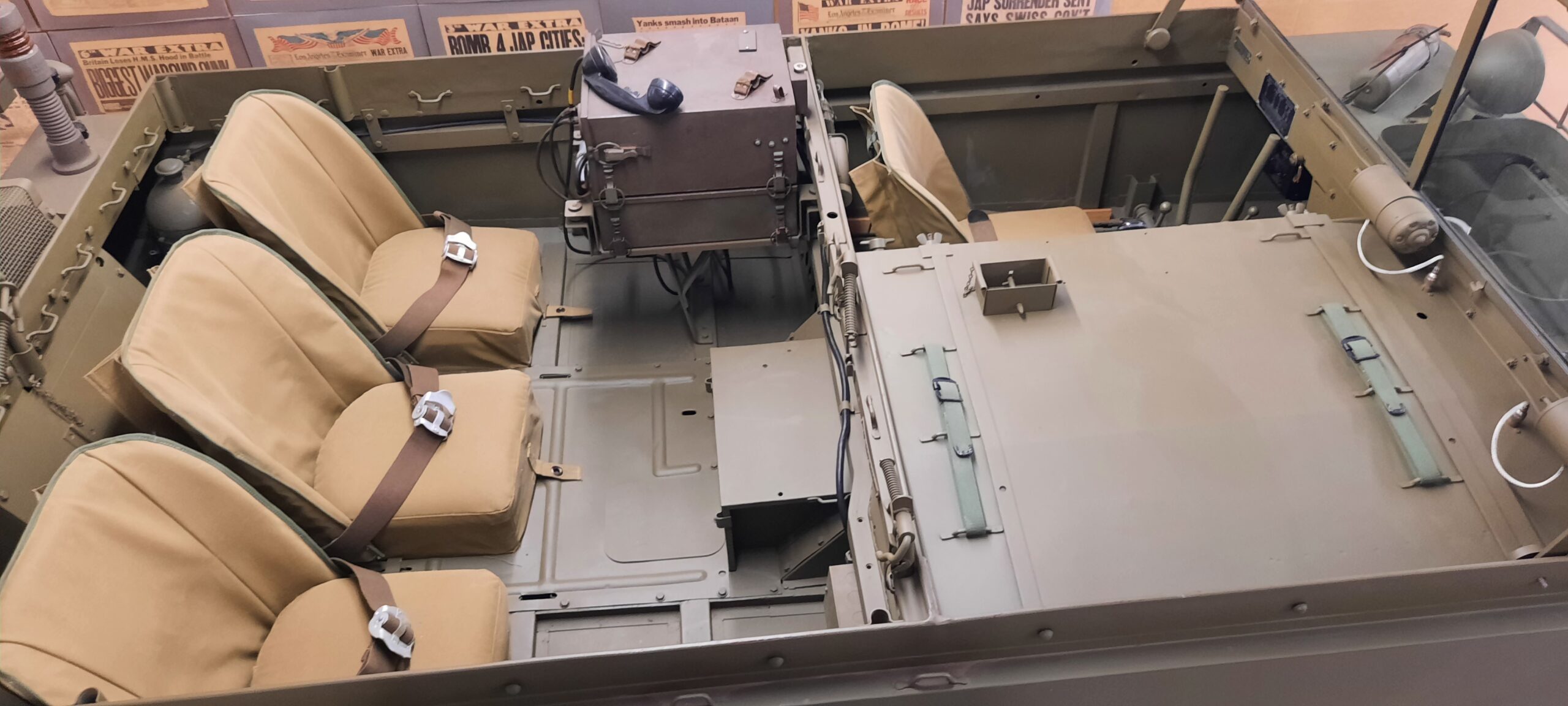
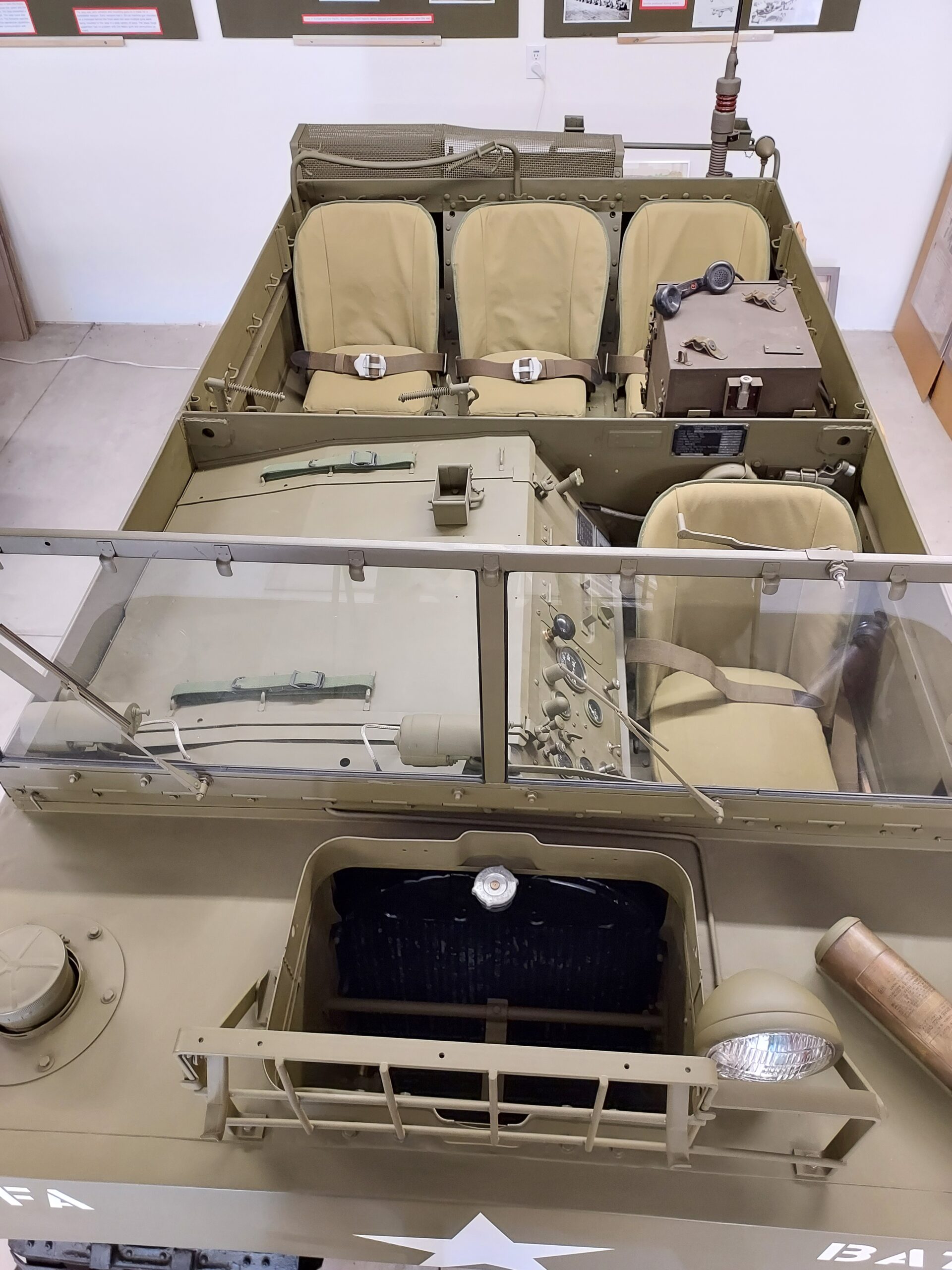
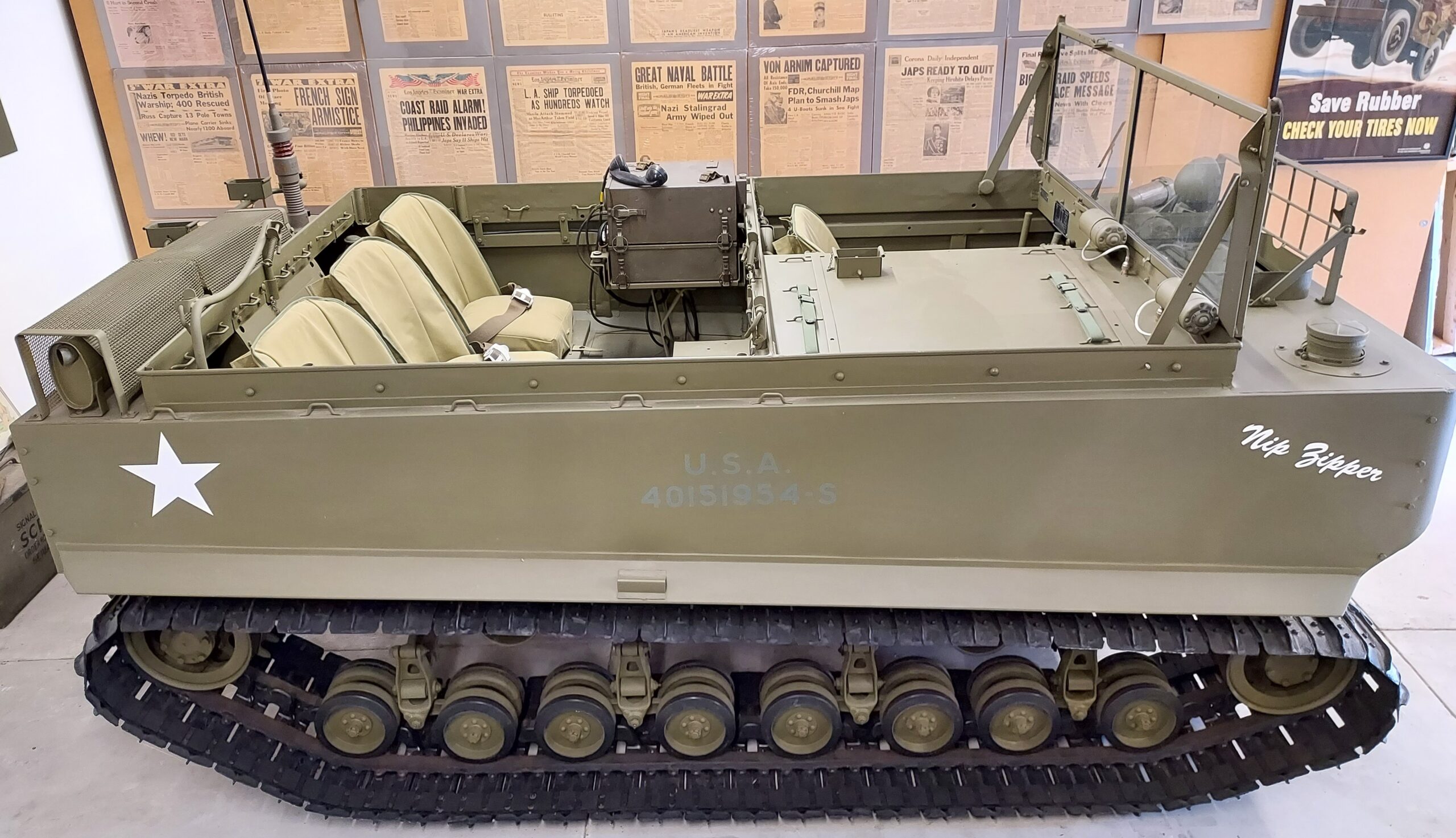
M29 Studebaker Weasel
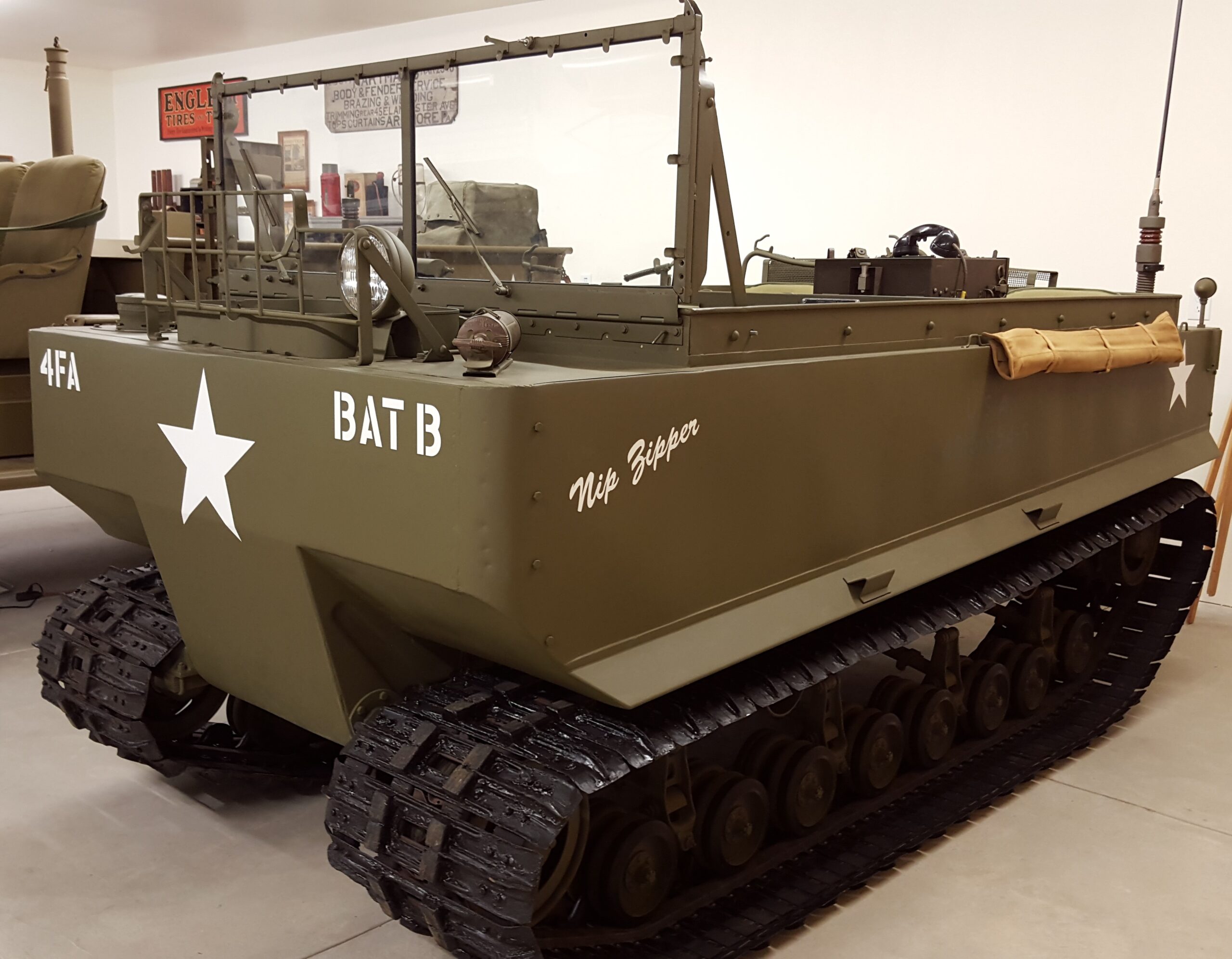
An entirely new and innovative vehicle was needed, under wartime pressures to get it done yesterday. Studebaker Company accepted the challenge in May of 1942 and they immediately went to work on a 180-day schedule to produce the vehicle. In less than 60 days, they had a prototype, which, after testing and improvements, was standardized as the M28 Cargo Carrier. The Weasel was originally conceived as a snow vehicle. The concept for the Weasel received resistance in the beginning, but was eventually approved with the assistance of Dwight Eisenhower, then in the War Plans Division.
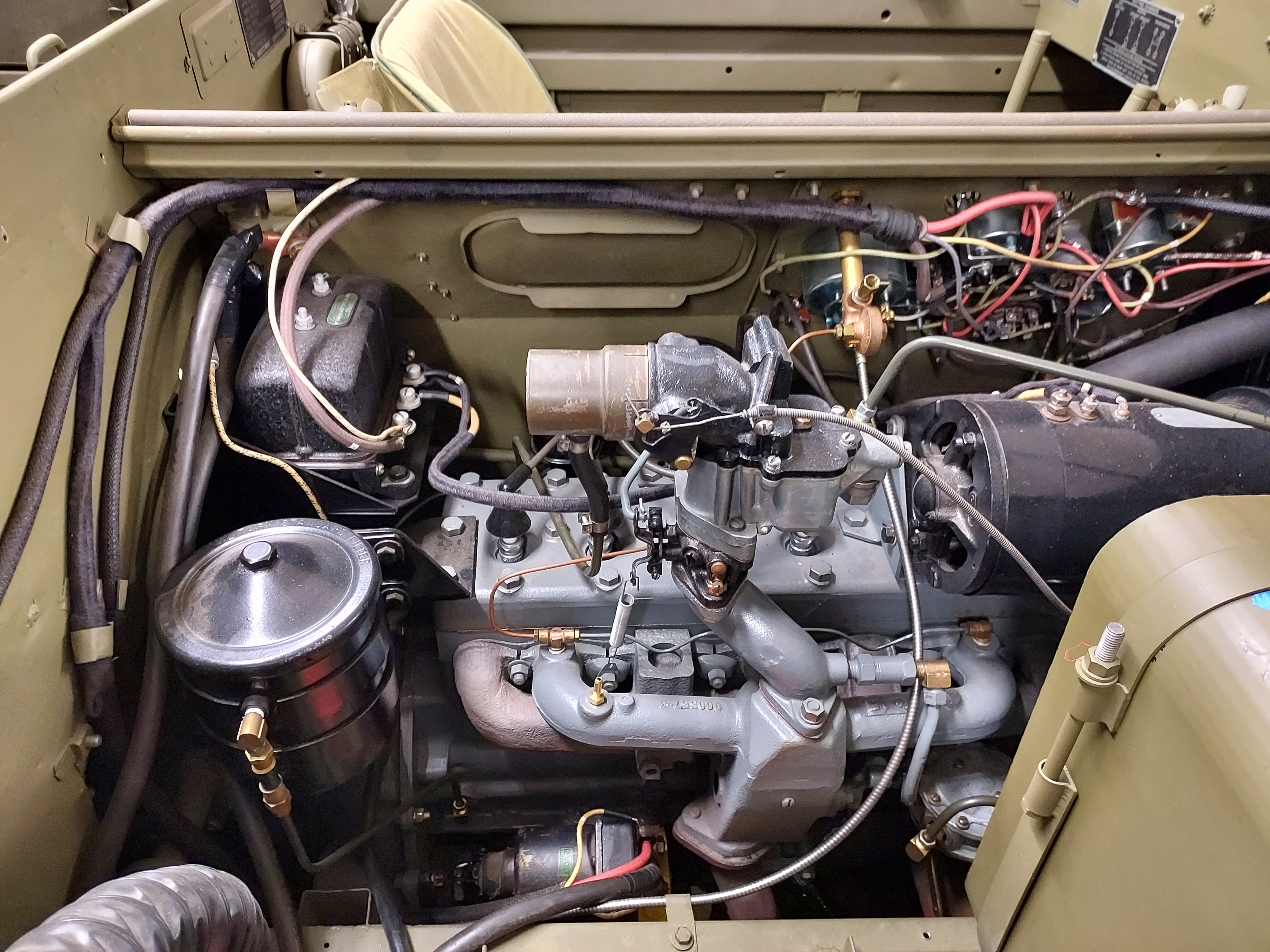
Utilizing a Champion 6 cylinder engine and other automotive components. The initial reaction to the Weasel was lukewarm as it had questionable handling characteristics in snow and frequently threw its tracks. When it was discovered however, that the little vehicle could go almost anywhere, Army officials were encouraged. Studebaker set about redesigning it, moving the engine from back to front and improving other design flaws.
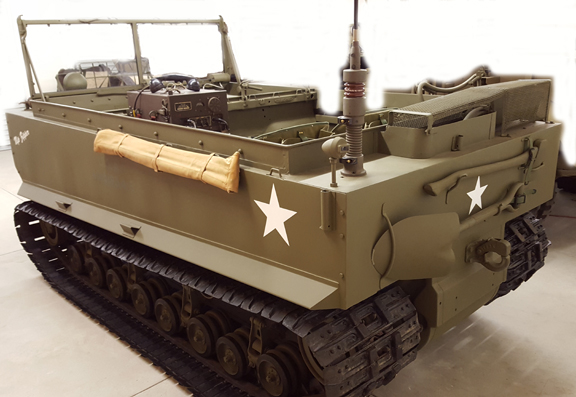
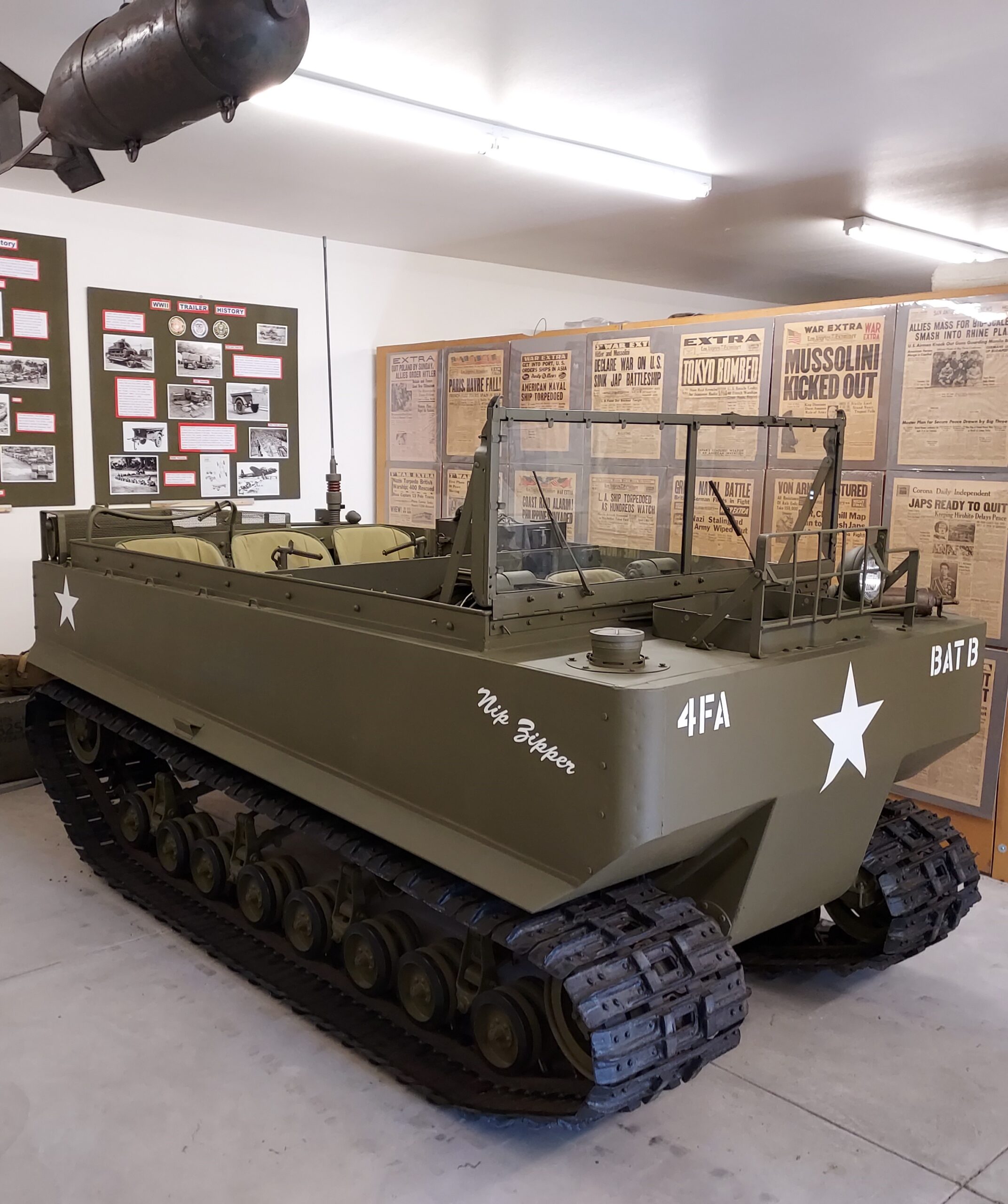
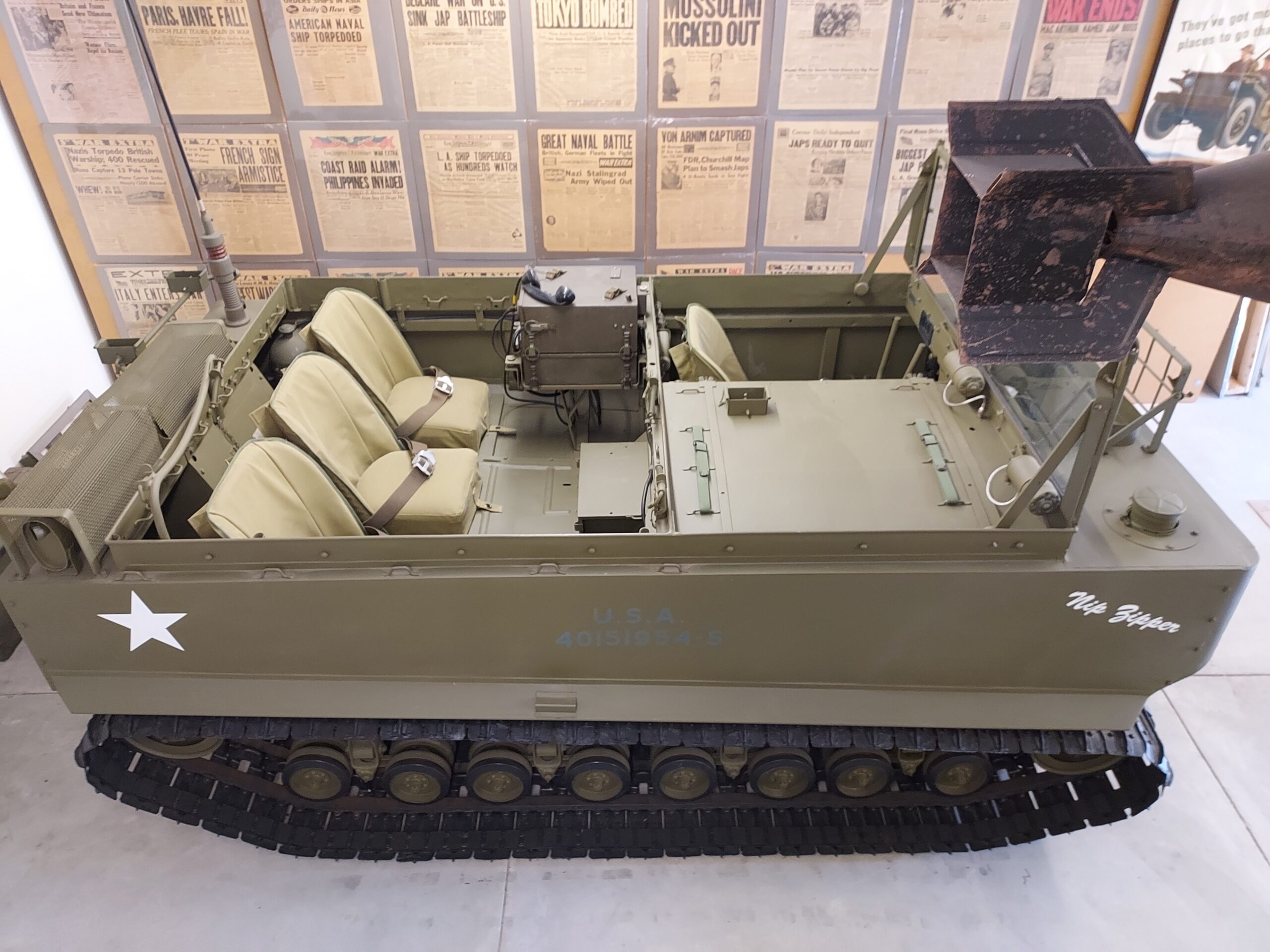
While the mission to Norway had been cancelled, the Weasel proved to be a versatile vehicle that could be used for command, radio, ambulance, signal line laying, and light cargo. It operated effectively on difficult terrain such as snow, swamps, sand, deep mud, and lakes. The new version, designated the M29, worked beautifully on all terrains. Used in Europe and the Pacific, the military relied heavily on the Weasel and continued their use after the war. The last version, the M29C, was amphibious and found extensive use in the Pacific. By VJ Day, over 15,000 Weasels had been built.
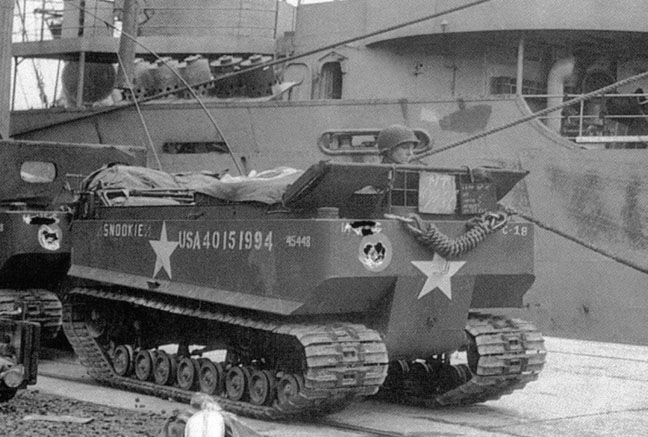
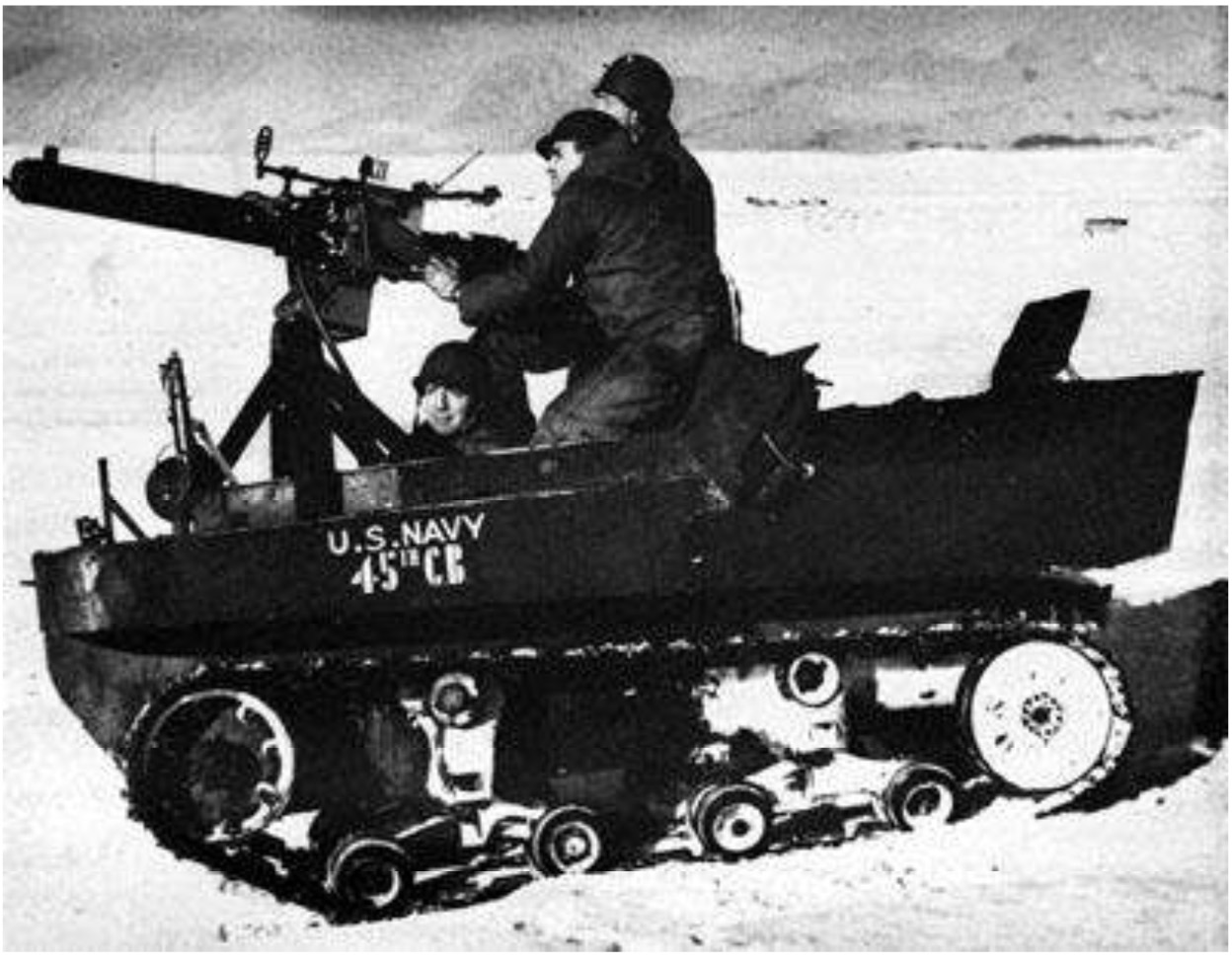
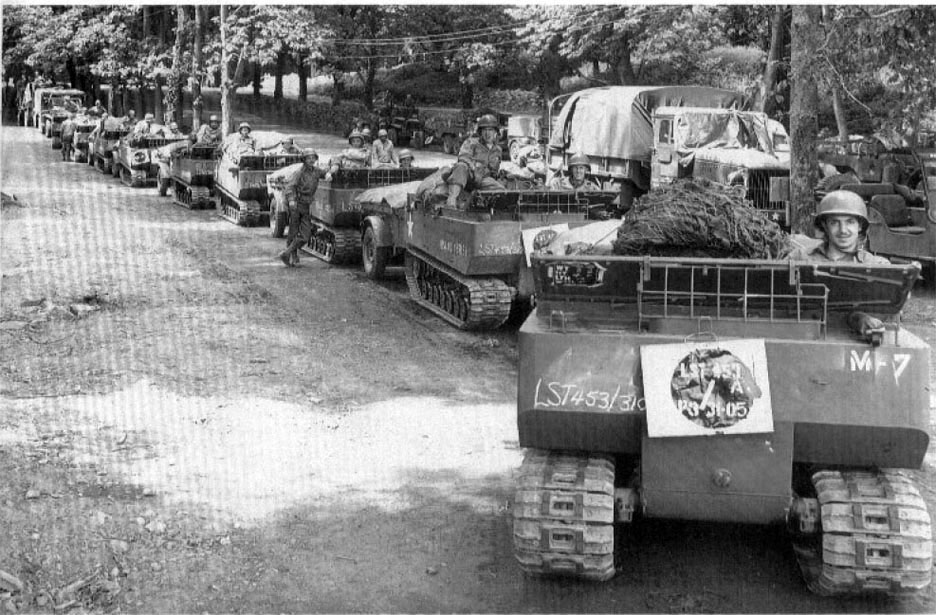
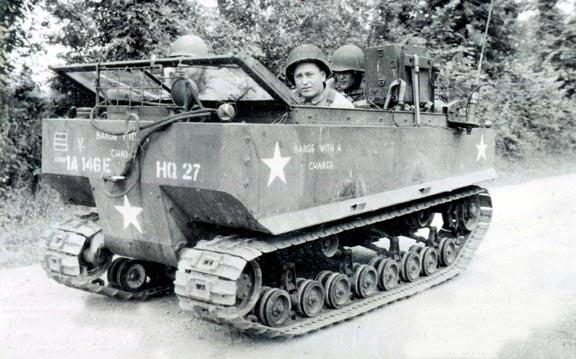
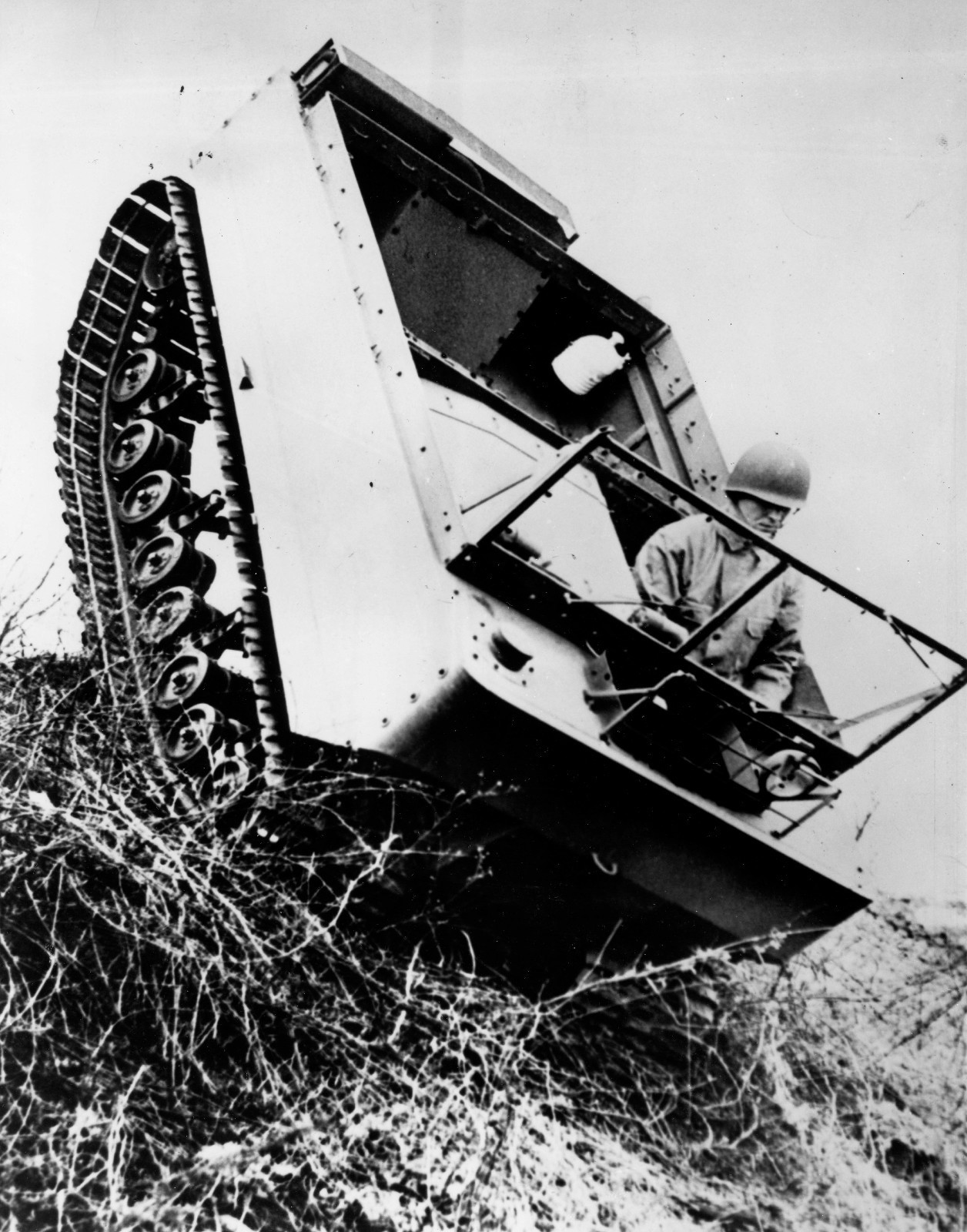
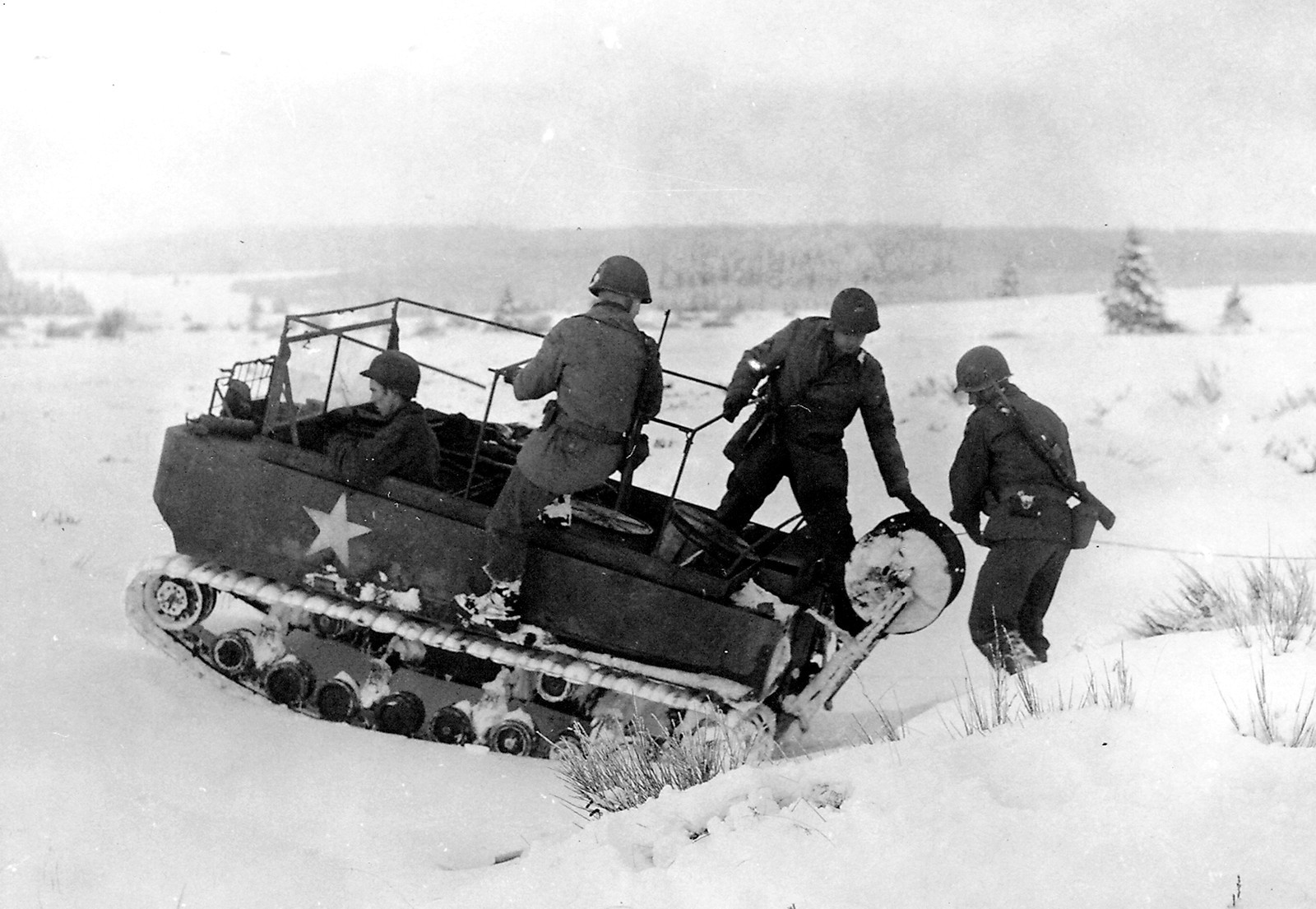
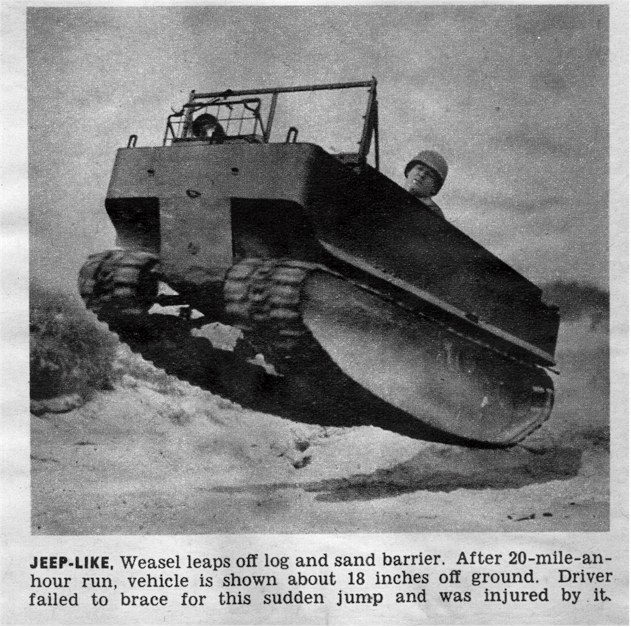
The M29 Cargo Carrier (Weasel), standardized in November 1943, had four seats and moved the engine to the front right. It has tracks with a mild slant downward to the front, robustly supported by eight sets of road wheels on an improved suspension. The electrical system is upgraded to 12-volts. During production, the track width was increased from 15 to 20 inches. It was used in Europe, the Pacific, and Alaska during World War II, and by VJ Day, over 15,000 had been built. During the decades following WW II, the M29C was used in Arctic and Antarctic Operations, supporting explorers and scientists’ MB-T trailers, the Bantam T-3.
Museum Examples